Frequently Asked Questions
What is the landscape like in alaska?
Alaska’s landscape is vast and varied, with rugged mountains, glaciers, forests, tundra, rivers, and long coastlines. Around Anchorage, these features and the cold, seasonal climate shape landscaping and property maintenance needs.
What is the typical terrain across Alaska?
The typical terrain across Alaska ranges from rugged mountains, glaciers, and forests to broad tundra, wetlands, and coastal plains; conditions vary widely by region and elevation.
How does Alaska terrain affect local landscaping?
Alaska’s terrain affects local landscaping through uneven ground, rocky or shallow soils, slopes, and drainage challenges. In Anchorage, designs should account for grading, erosion, freeze-thaw cycles, and hardy plants suited to local conditions.
What characterizes the natural landscape in Alaska?
Alaska’s natural landscape is characterized by vast wilderness, rugged mountains, glaciers, forests, tundra, and abundant lakes and rivers, shaped by its cold climate and dramatic seasonal changes.
How do mountains shape the Alaskan landscape?
Mountains shape the Alaskan landscape by creating dramatic peaks, deep valleys, and varied climates. They influence rivers and glaciers, affect local weather, and provide habitats for diverse wildlife, while shaping where communities and roads can develop.
What plants thrive in the Alaskan wilderness?
Plants that thrive in the Alaskan wilderness include fireweed, lupine, dwarf willow, mosses, lichens, and hardy berries such as blueberries and cloudberries. These native species are adapted to short growing seasons, cold temperatures, and varied terrain.
How does permafrost impact Alaskan landscaping projects?
Permafrost can limit drainage and root growth, while thawing and freezing may shift soil and damage patios, paths, and foundations. Alaskan landscaping projects should account for local soil conditions, manage water carefully, and use suitable grading and construction methods.
What challenges does Alaskas rugged terrain present?
Alaska’s rugged terrain presents challenges such as steep slopes, rocky or uneven ground, limited access, and harsh weather, making landscaping, grading, construction, and property maintenance more complex.
How do seasonal changes alter Alaskas scenery?
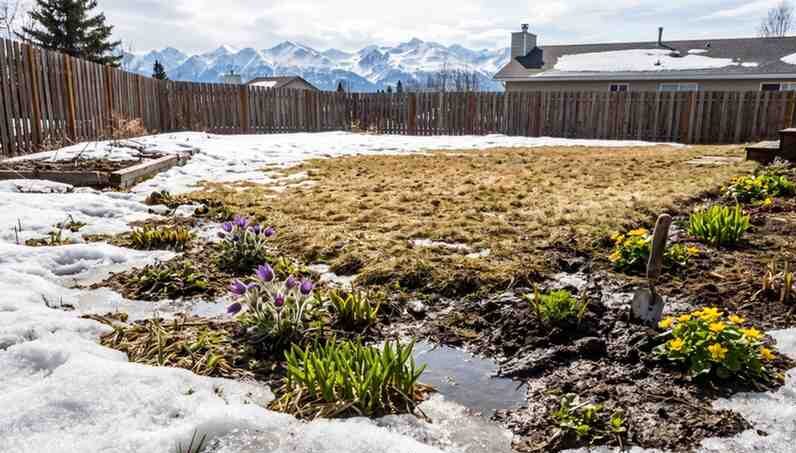
Seasonal changes transform Alaska’s scenery from summer’s lush greenery and long daylight to brilliant autumn colors, snow-covered winter landscapes, and spring’s melting snow and returning blooms. In Anchorage, these shifts also affect outdoor access and property maintenance needs.
What types of soil are found in Alaska?
The types of soil found in Alaska include tundra soils, permafrost-affected soils, peat and other organic soils, and well-drained mineral soils such as sandy, silty, and loamy soils; types vary by region and climate.
How do Alaskans design yards for winter?
Alaskans design yards for winter by choosing cold-hardy plants, creating windbreaks, ensuring proper drainage, and planning clear paths and snow-storage areas for safe, easy maintenance.
What are common landscaping features in Anchorage?
Common landscaping features in Anchorage include native and cold-hardy plants, gravel or stone paths, raised beds, patios, and durable fencing, designed to handle short growing seasons, heavy snow, and freeze-thaw conditions.
How does the climate shape Anchorage outdoor spaces?
Anchorage’s climate shapes outdoor spaces through long, snowy winters and short, cool summers, making durable materials, proper drainage, hardy native plants, and reliable snow management essential for year-round safety and usability.
What native flora exists in Anchorage regions?
Native flora in Anchorage includes spruce, birch, willow, alder, fireweed, lupine, wild berries, and hardy alpine plants. These species thrive in the region’s cool climate and varied habitats, from forests and wetlands to coastal areas.
How do you landscape on Alaskan slopes?
Landscaping on Alaskan slopes requires controlling erosion and accounting for freeze-thaw cycles. Use deep-rooted native plants, terraced planting areas, and well-designed drainage; stabilize steep sections with retaining walls or erosion-control materials suited to Anchorage’s climate.
What are the best turf types for Alaska?
The best turf types for Alaska are cold-hardy grasses such as Kentucky bluegrass, perennial ryegrass, and fine fescue, which tolerate short growing seasons and harsh winters. A blend can improve resilience, while site conditions and maintenance needs guide the best choice.
How does snow accumulation affect Alaskan yards?
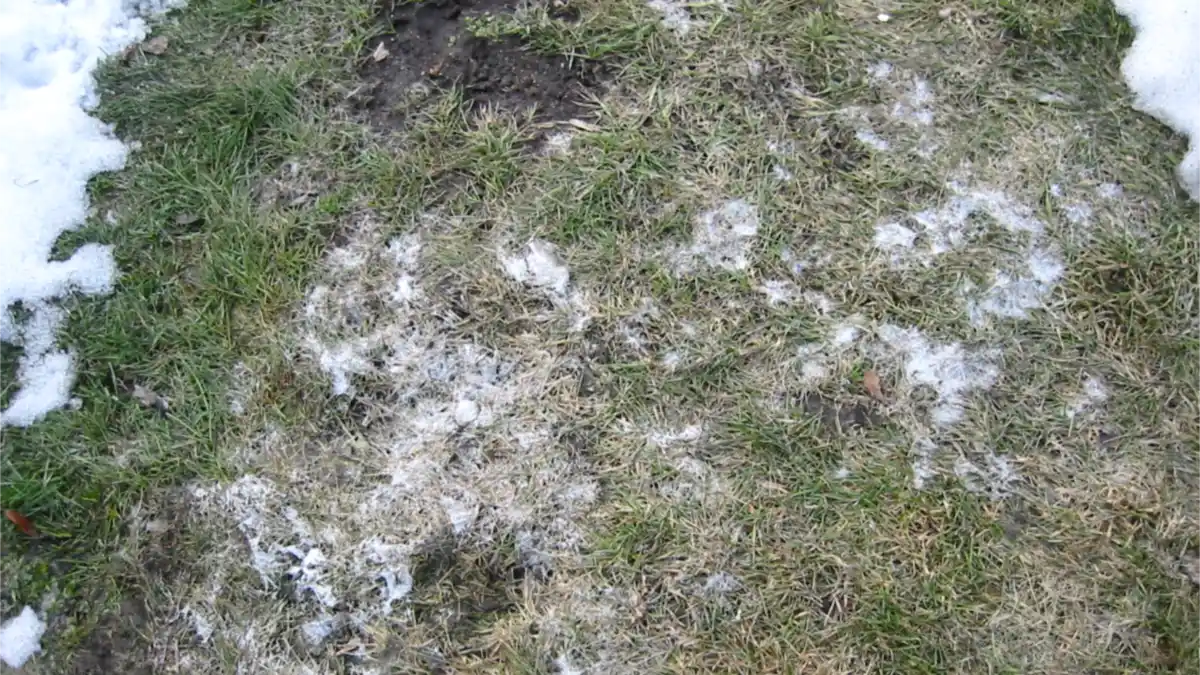
Snow accumulation affects Alaskan yards by weighing down shrubs, compacting lawns, and creating icy areas that can damage plants and make walkways hazardous. Proper snow placement and timely removal help protect landscaping and maintain safe access.
What rocks and stones suit Alaskan gardens?
Rocks and stones suited to Alaskan gardens include locally sourced granite, river rock, and crushed gravel. These durable materials handle freeze-thaw cycles, improve drainage, and create practical paths, borders, and ground cover.
How do you plan drainage in Alaska?
Planning drainage in Alaska means accounting for snowmelt, heavy rain, frozen ground, and local slope. Assess water flow, soil, and frost conditions, then direct runoff away from buildings with suitable grading, drains, and erosion-resistant outlets.
What trees grow well in Anchorage soil?
Trees that grow well in Anchorage soil include native spruce, birch, and aspen, along with hardy varieties such as Siberian larch. Choose cold-tolerant species suited to your site’s drainage, soil conditions, and available sunlight.
How do freezing temperatures impact outdoor structures?
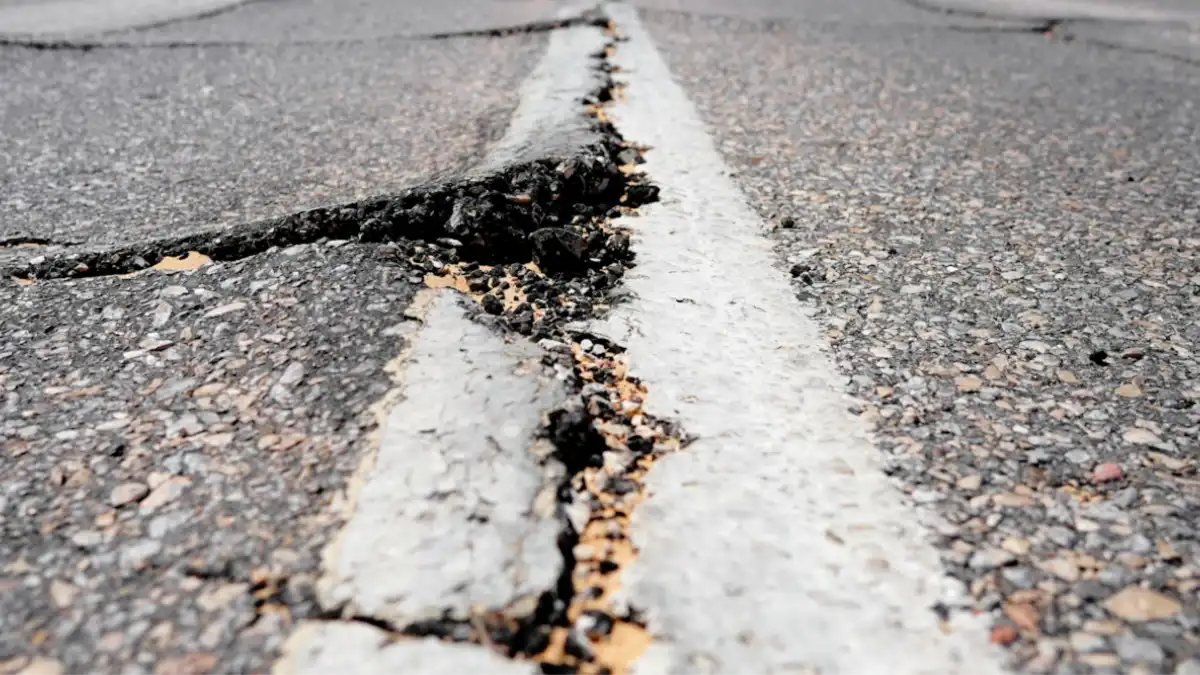
Freezing temperatures can cause outdoor structures to crack, warp, or shift as water freezes and expands in materials and soil. In Anchorage, freeze-thaw cycles may damage foundations, decks, fences, and patios, so proper drainage and winter maintenance are important.
What landscaping styles fit the Alaskan environment?
Landscaping styles that fit Alaska’s environment favor hardy native plants, natural stone, and practical, low-maintenance layouts. Alpine, woodland, and rustic designs suit Anchorage’s climate when they account for snow, drainage, short growing seasons, and freeze-thaw cycles.
How do you prepare Alaskan soil for planting?
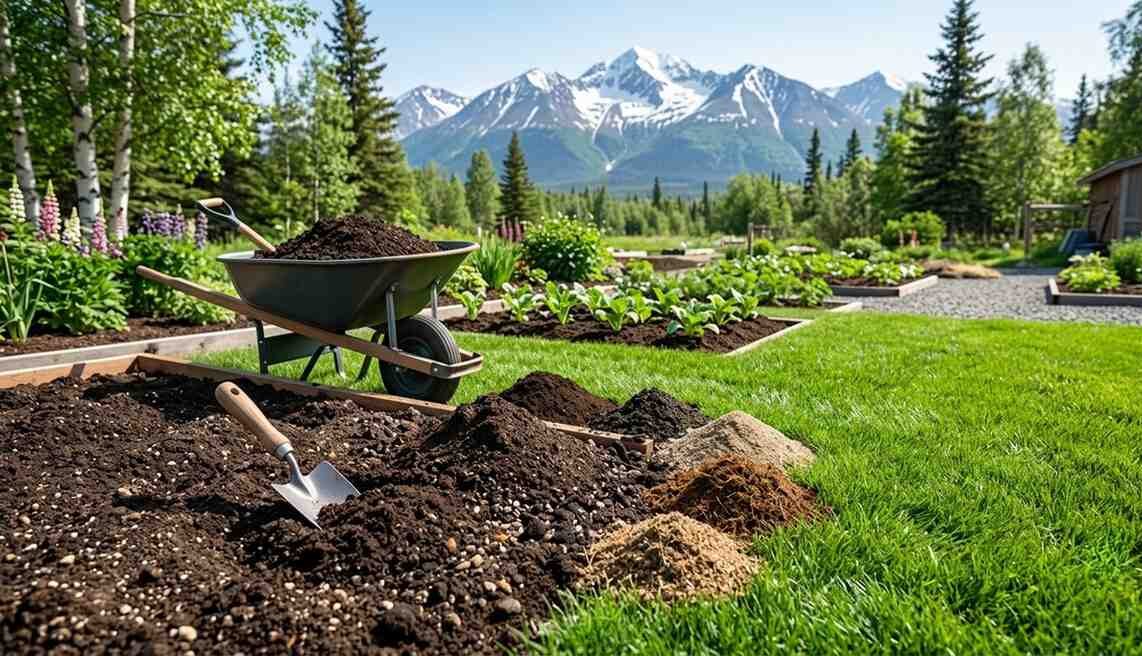
Preparing Alaskan soil for planting means improving drainage, fertility, and warmth: loosen compacted ground, mix in mature compost or other organic matter, and test soil pH and nutrients before adding amendments suited to your plants.
What erosion control methods work in Alaska?
Erosion control methods that work in Alaska include native vegetation, erosion-control blankets, silt fences, and properly placed rock or drainage systems. Choose methods suited to local soil, slope, freeze-thaw cycles, and seasonal runoff.
How do wild animals influence Alaskan yard design?
Wild animals influence Alaskan yard design by making wildlife-safe choices essential. Choose native plants, secure garbage and compost, protect gardens with sturdy fencing, and avoid features that attract bears or encourage animals to enter living areas.
What fencing materials withstand harsh Alaskan winters?
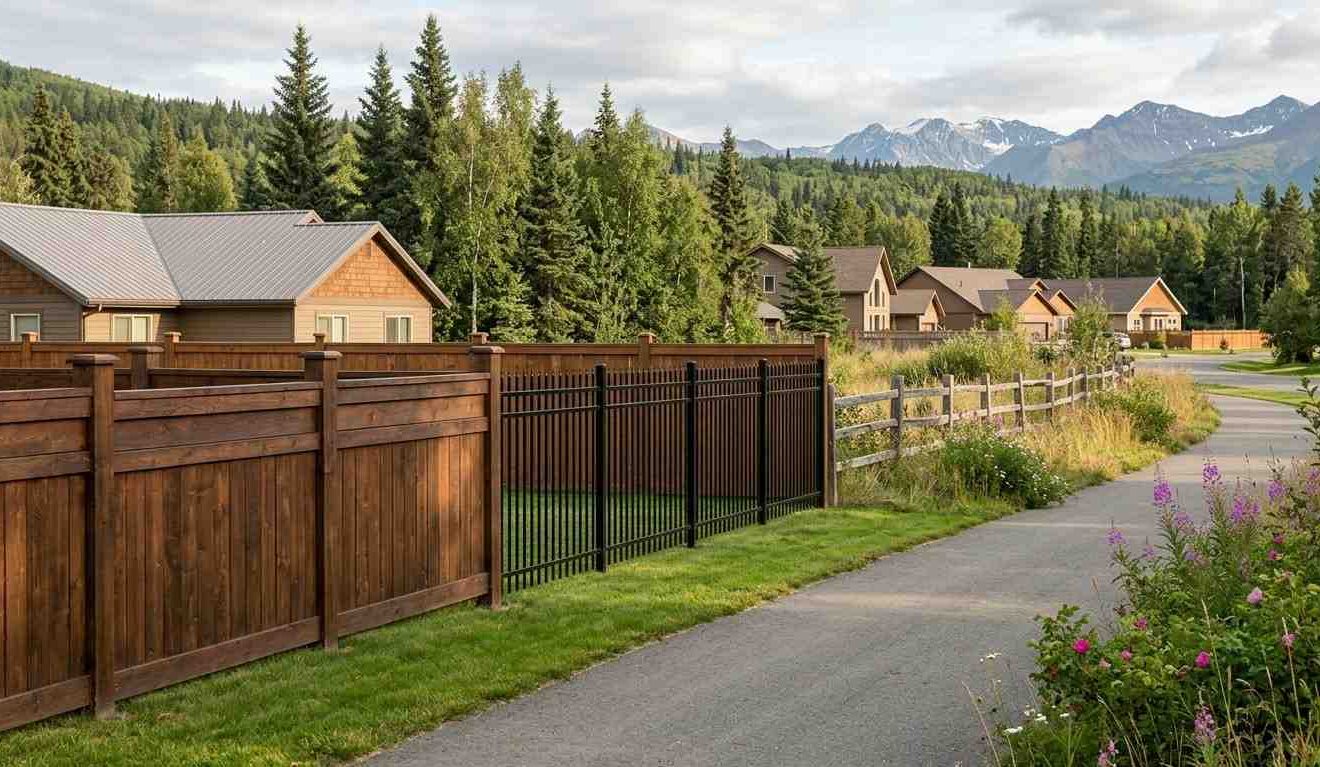
Fencing materials that withstand harsh Alaskan winters include galvanized or powder-coated steel, aluminum, and naturally rot-resistant cedar, provided they’re properly installed and maintained. Choose sturdy posts and frost-resistant foundations to handle snow, freeze-thaw cycles, and shifting ground.
How do you maintain patios in cold climates?
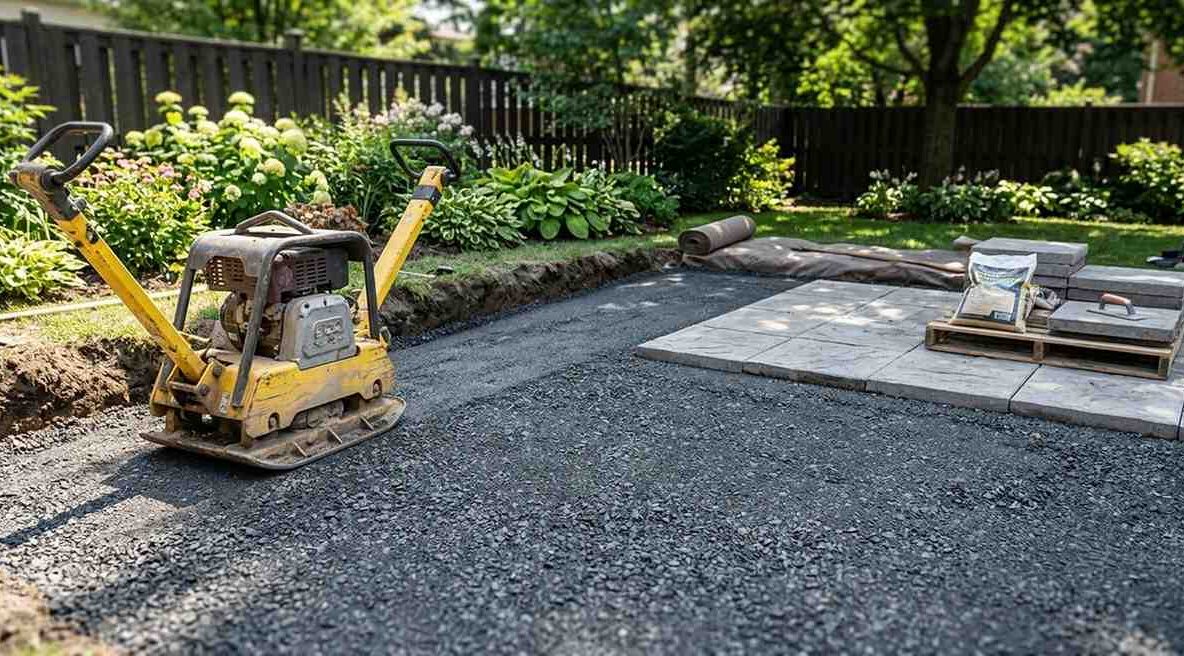
Maintaining patios in cold climates means clearing snow promptly with a plastic shovel, avoiding damaging deicers, and keeping drainage clear. Inspect for cracks each spring, repair them early, and ensure the patio base and joints are prepared for freeze-thaw cycles.
What are effective snow removal strategies in Anchorage?
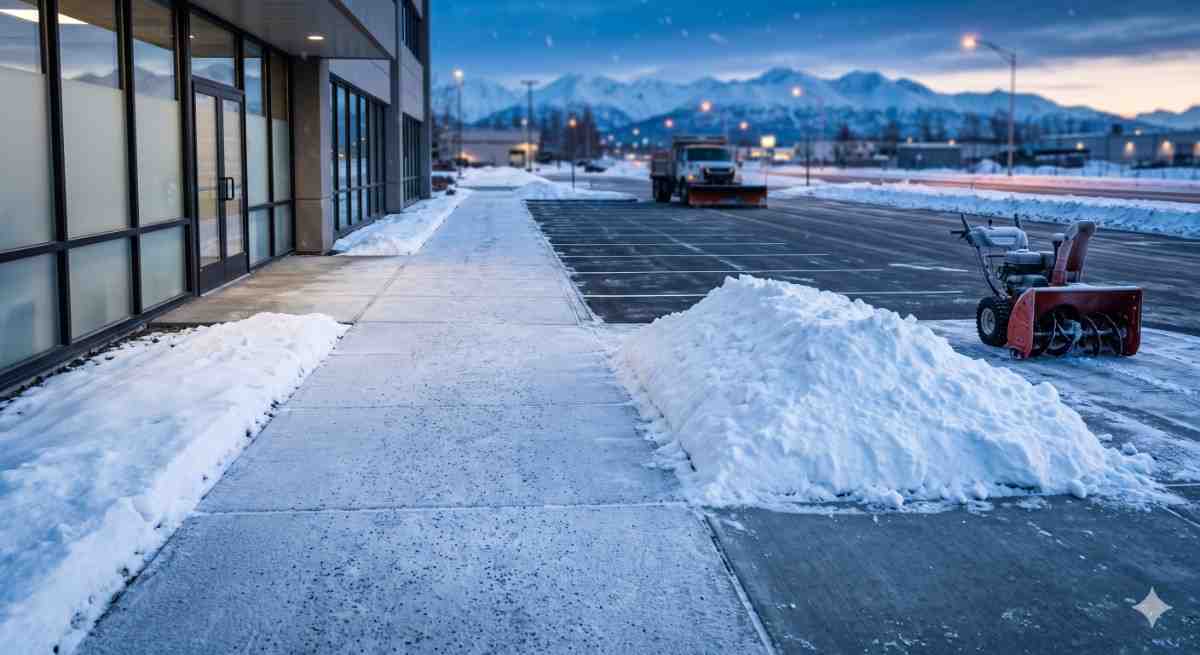
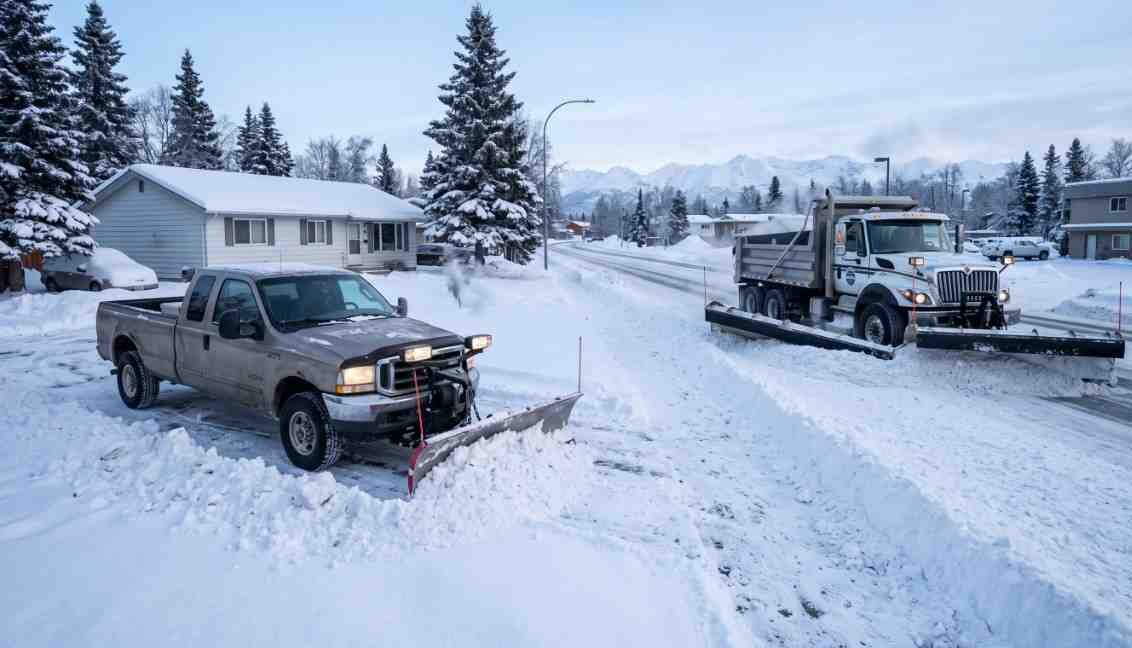
Effective snow removal strategies in Anchorage include clearing walks and driveways promptly, piling snow where it won’t block visibility or drainage, using sand or ice melt suited to local conditions, and following municipal rules for sidewalks and snow disposal.
How do daylight variations affect Alaskan plant growth?
Daylight variations affect Alaskan plant growth by shaping each season’s growing conditions: long summer days provide extra light for rapid growth and flowering, while short winter days slow growth or trigger dormancy.
What sustainable landscaping practices suit the North?
Sustainable landscaping practices for the North include choosing native, cold-hardy plants, conserving water with efficient irrigation, improving soil with compost, and reducing chemical inputs. Use mulch and durable materials to protect plants and soil through Anchorage’s harsh winters.