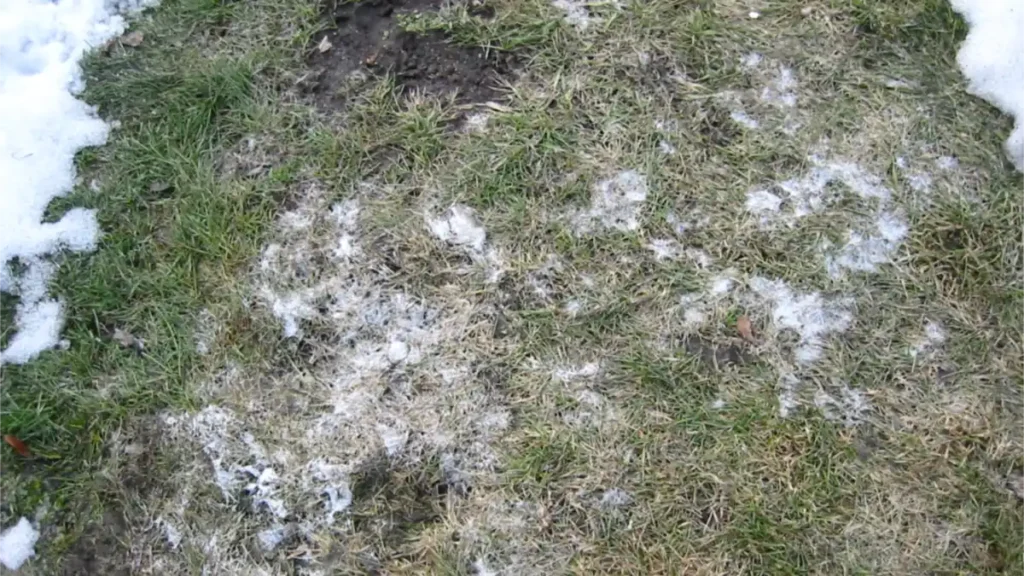
Every spring the snow pulls back across Anchorage yards and reveals the same thing: circles of matted, straw-colored grass, sometimes with a gray, cobweb-like fuzz on top or a pinkish tint at the edges. Most property owners assume the lawn died over the winter.
Usually it didn’t. Those patches are snow mold, a group of fungal diseases that grow under long-lasting snow cover. Snow mold in Anchorage lawns usually looks worse than it is, and a proper spring cleanup brings the grass back. This guide explains how to identify it, how to fix it after breakup, and what to do in the fall so there’s less of it next year.
In Short
- Snow mold is a fungal lawn disease that develops under long snow cover, especially when the ground underneath isn’t frozen solid.
- Gray snow mold leaves straw-colored or gray patches with lint-like fuzz. Pink snow mold leaves smaller patches with pinkish or dark, water-soaked edges.
- Most snow mold damage recovers with raking, drying out, and the first fertilizer of the season.
- Prevention happens in fall: keep mowing until growth stops, clear leaves, avoid heavy late nitrogen, and keep big snow piles off the lawn.
- Patches that don’t recover by early summer often point to a drainage problem, not a grass problem.
What Is Snow Mold and How Does It Affect Anchorage Lawns?
Snow mold is the common name for several cold-tolerant fungi that attack turf under snow. They do their best work in the conditions an Anchorage winter often creates: a deep, long-lasting snowpack that insulates the ground so it stays cool, dark and damp rather than frozen hard.
Snow mold is especially common where snow sits longest and deepest. That includes north-facing yards, shaded areas under spruce, the strip along the driveway where snow gets plowed, and anywhere a snow pile sat until May. We cover more of what heavy snowpack does to turf and shrubs in how snow accumulation affects landscape health in Alaska.
Gray Snow Mold vs. Pink Snow Mold
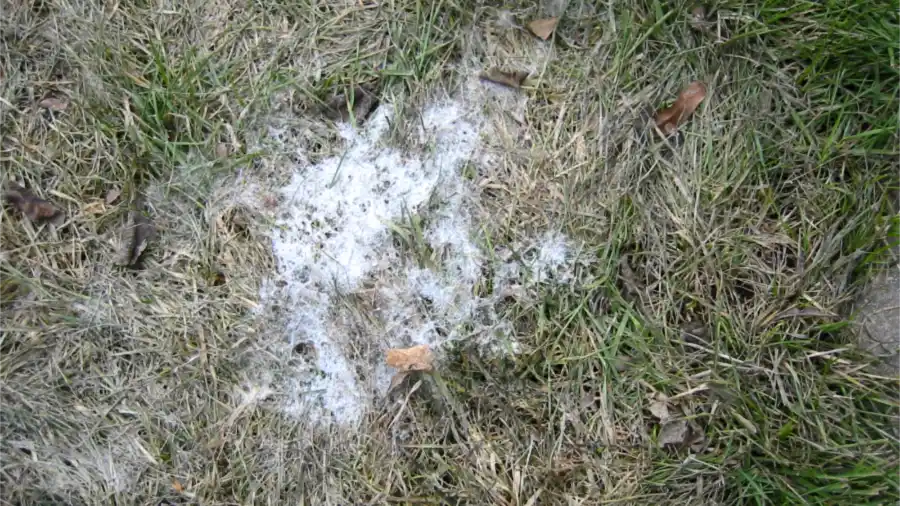
Anchorage lawns can get both types. Telling them apart matters, because pink snow mold can keep developing in cool, wet spring weather after the snow is gone.
| Feature | Gray snow mold | Pink snow mold |
|---|---|---|
| Pathogen | Typhula species | Microdochium nivale |
| What it looks like | Circular patches of straw-colored, yellow or gray-brown grass, often 1 to 3 feet across | Smaller patches, usually under 8 inches, with pinkish color or gray-black, water-soaked edges that bleach to tan |
| Telltale sign | Gray, lint- or cobweb-like fuzz on matted blades at snowmelt; tiny brown specks in the leaves | Pink tint on the patch, especially in damp weather |
| When it develops | Under long, deep snow cover over unfrozen ground | Under snow, and also in cool, wet weather without snow |
| Typical outcome | Usually affects blades; grass often recovers | Can be more persistent; watch it through a cool, wet spring |
Gray snow mold is generally linked to long-lasting snow cover, roughly six to eight weeks or more, which is easy to reach in Anchorage. Pink snow mold isn’t limited to snow cover, so it can show up or spread during a cold, drizzly breakup.
Why Anchorage Lawns Get Snow Mold
A few local habits and conditions stack the odds in the fungus’s favor:
- Long snow cover. Anchorage snow can sit from October or November into April. That’s plenty of time for snow mold to develop.
- Early snow on unfrozen ground. An early, heavy snowfall insulates the soil before it freezes, which is ideal for gray snow mold.
- Tall, floppy grass going into winter. Long blades lie down under the snow and form a damp mat.
- Leaves and debris left on the lawn. Matted birch and cottonwood leaves trap moisture and feed the fungus.
- Heavy late-season nitrogen. Lush, soft growth late in fall is more vulnerable.
- Snow piles and compaction. Plowed and shoveled snow piled onto the lawn is denser and lasts weeks longer than the snow around it.
- Thatch and poor drainage. A thick thatch layer and soil that stays wet hold moisture right where the fungus lives.
How to Fix Snow Mold in Spring
Most snow mold damage is to the leaf blades, not the crowns and roots, so the grass can regrow once the patches dry out and get air. Follow these steps after breakup:
- Speed up drying. Once it’s safe, break up and spread leftover snow piles on the lawn so they melt faster. Don’t walk on soggy turf more than you have to.
- Rake the patches lightly. When the lawn is dry enough to walk on, rake the matted areas with a leaf rake to lift the blades and let air and sun reach the crowns. Go gently; you’re fluffing, not tearing.
- Clear winter sand and gravel. Grit from plowing and street sanding smothers new growth and damages mowers. A spring cleanup removes it along with leaves and debris.
- Feed lightly once growth starts. A light fertilizer application in spring helps damaged areas fill back in. Anchorage soil tends to be acidic, so lime makes fertilizer more effective.
- Wait and watch. Most patches green up within a few weeks. Give them until late May or early June before deciding they’re dead.
- Overseed what didn’t recover. Rake out dead material, loosen the soil surface and reseed bare spots once the ground has warmed. For large bare areas, a fresh layer of the right topsoil mix and hydroseeding re-establish turf faster than hand seeding.
Fungicides are rarely worth it for snow mold on home lawns once spring arrives. The fungus is already done with most of its work, and good cleanup does more for recovery. Our seasonal lawn maintenance tips for Anchorage cover the rest of the spring routine.
When Snow Mold Isn’t the Real Problem
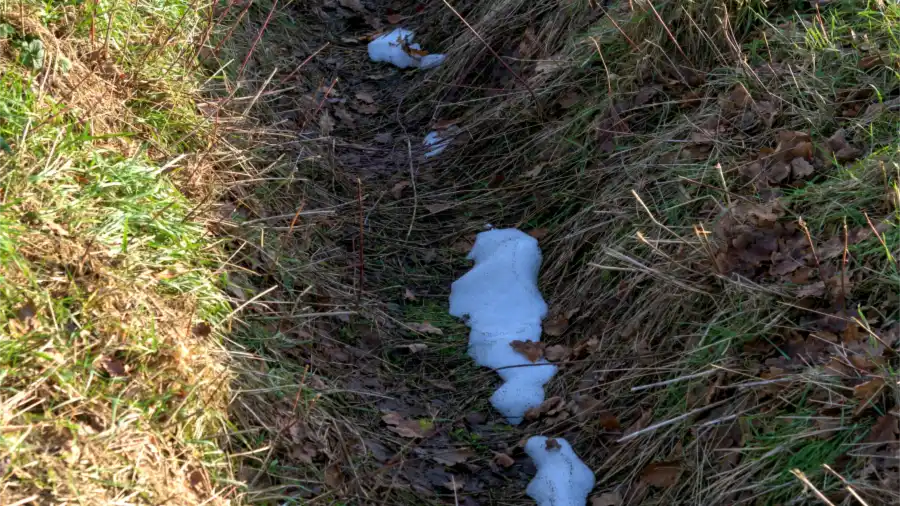
If a patch is still brown and dead by early summer after raking and feeding, look beyond snow mold. Common culprits in Anchorage include:
- Poor drainage. Spots where meltwater ponds every spring drown the grass and stay soggy. What doesn’t recover is usually a drainage problem, not a grass problem, as we explain in fixing sunken yards in Anchorage.
- Vole damage. Winding surface runways and chewed-down grass that appear at snowmelt are voles, not fungus.
- Plow and sand damage. Torn edges along driveways and walkways from blades, plus piled grit, look like disease from a distance.
- Deicer burn. Grass along walks and driveways can be stressed by ice melt. Our comparison of salt vs. sand for de-icing explains which products are harder on lawns.
- Thick thatch. A spongy lawn that doesn’t absorb water may need thatching to recover.
Low spots and ponding are usually fixed with grading or drainage work that moves meltwater away from the lawn and the house. Our guide to landscape grading and drainage walks through the options.
How to Prevent Snow Mold Next Winter
Snow mold is mostly prevented in the fall. If the snow hasn’t settled in yet, there may still be time for some of these; if it has, put them on next September’s calendar.
Keep mowing until the grass stops growing
Don’t let the lawn go into winter long. Keep mowing at a normal height until growth stops so there’s less blade to mat down under the snow.
Clear leaves and debris
Rake or mulch fallen leaves before the snow arrives. A mat of leaves is one of the strongest triggers for snow mold.
Time fall fertilizer carefully
A fall feeding helps roots before freeze, but avoid heavy nitrogen late in the season, and don’t apply it after growth has stopped. Soft, lush growth under the snow is more prone to disease.
Manage thatch and drainage
Thatching in spring every year or two keeps the thatch layer thin. Fixing low spots means less standing water under the snow and at breakup.
Plan where the snow goes
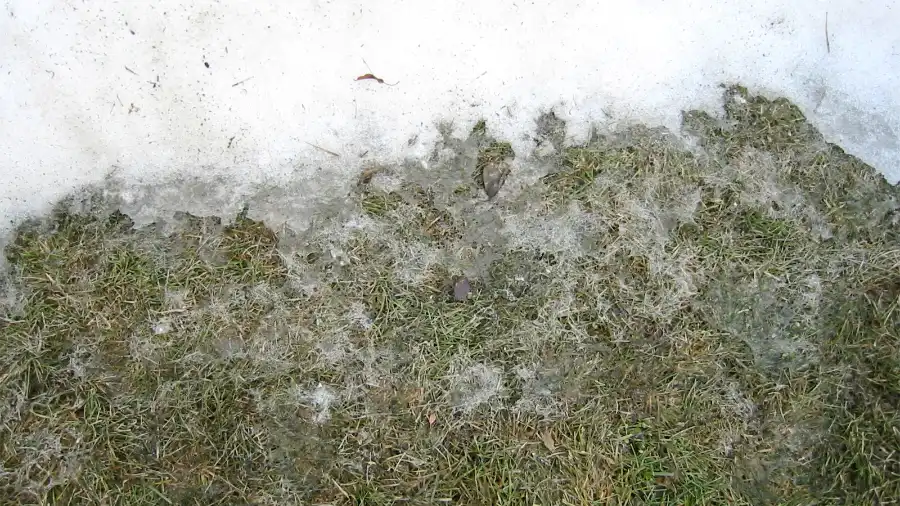
This is the one most Anchorage property owners miss. Plowed snow piled on one corner of the yard becomes a dense, slow-melting pile and a guaranteed snow mold patch in spring. Agree on snow storage areas with your plow contractor before the season starts, away from turf you care about. When piles do build up, snow hauling removes them before they sit until May.
Mark the lawn edges
Stakes along the driveway and walkways help plow operators stay off the grass. Our post on protecting your lawn during snow removal explains where and when to place them.
Anchorage Snow Mold Calendar
| When | What to do |
|---|---|
| September | Last fertilizer before freeze (light on nitrogen); start leaf cleanup |
| Late Sept – Oct | Keep mowing until growth stops; clear leaves; set lawn stakes |
| Winter | Keep big snow piles off the lawn; haul when storage runs out |
| April – May (breakup) | Spread leftover piles; stay off soggy turf; identify gray vs. pink |
| May | Spring cleanup, light raking, sand and gravel removal; thatch if needed |
| Late May – June | First fertilizer and lime; overseed patches that didn’t recover; check drainage |
For timing on everything else in the yard, see spring landscaping in Anchorage: when to start.
Get Your Lawn Back After Breakup
Alaska Landworks provides commercial and HOA lawn maintenance in Anchorage, including spring cleanups, mowing, trimming, fertilization and seasonal upkeep. In winter, the same team handles snow plowing, hauling and de-icing, so snow storage gets planned with the turf in mind.
For homeowners, we take on the repairs that keep snow mold and soggy patches from coming back: grading and drainage fixes, topsoil and hydroseeding through our residential landscape services. Call (907) 802-5000 or request an estimate to get on the spring schedule before breakup.
Frequently Asked Questions
What does snow mold look like?
Circular patches of matted, straw-colored or gray grass that appear as the snow melts. Gray snow mold often has a lint-like gray fuzz; pink snow mold shows a pinkish tint or dark, water-soaked edges.
Is snow mold harmful to my lawn?
Usually not permanently. Most snow mold damages the leaf blades rather than the roots, and the grass recovers with raking, drying out and a light spring feeding. Pink snow mold can be more persistent in cool, wet weather.
How do I get rid of snow mold?
Lightly rake matted patches once the lawn is dry enough to walk on, remove debris and winter sand, feed lightly when growth starts, and overseed any areas that don’t recover by early summer.
Does snow mold go away on its own?
Gray snow mold usually fades as the lawn dries and warms. Raking speeds recovery by letting air and sunlight reach the grass.
Is snow mold dangerous to people or pets?
Snow mold is a turf disease. People with mold allergies may notice symptoms when raking affected areas, so a dust mask is reasonable during spring cleanup.
How do I prevent snow mold in Anchorage?
Keep mowing until growth stops in fall, clear leaves before snow, avoid heavy late nitrogen, keep thatch thin, fix low spots, and keep big snow piles off the lawn.
Why do the same spots get snow mold every year?
They’re usually where snow sits longest: shaded areas, snow pile locations and low spots that stay wet. Changing where snow is stored and fixing drainage breaks the pattern.
Snow mold photos: noricum from Canada via Wikimedia Commons (1, 2, 3), licensed CC BY-SA 2.0; cropped and color-adjusted.