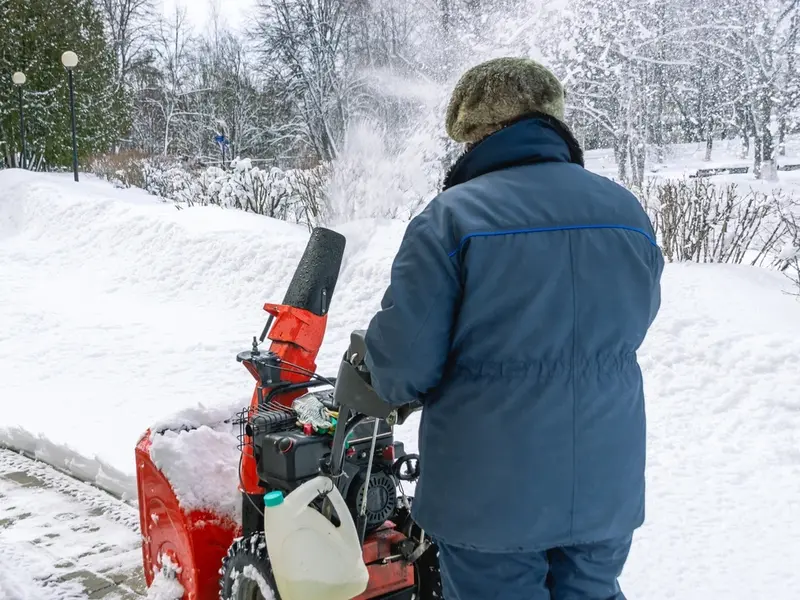
Winter brings with it a sense of wonder and beauty, but it also brings a significant challenge for homeowners and landscapers alike: snow removal. While clearing snow may be necessary for safety reasons, it can have a lasting impact on your landscaping and lawn health. With the right knowledge and techniques, you can minimize the damage and keep your outdoor space looking its best. Snow removal techniques, such as shoveling, plowing, and using de-icing agents, can unintentionally damage your lawn and plants. Heavy machinery used for snow removal can compact the soil, restricting airflow and water absorption.
Chemical de-icers can also harm your plants and grass if overused or not properly applied. To protect your lawn and landscaping during snow removal, consider using organic de-icing agents, which are less harmful to your plants. It’s also essential to thoroughly prepare your landscape before winter arrives, ensuring your plants are healthy and strong enough to withstand the harsh conditions. In this article, we will delve into the various ways snow removal affects landscaping and lawn health and provide you with expert tips and techniques to preserve the beauty of your outdoor space during the winter months.
Common Landscaping and Lawn Issues Caused by Snow
Snow and ice can cause various landscaping and lawn issues, leading to damage that requires attention in the spring. Here are some of the most common problems:
Snow Mold
When snow remains on the grass for too long, fungal diseases like snow mold can develop, leading to discolored and patchy lawns.
Soil Compaction
Heavy snow and foot traffic can compress the soil, restricting air circulation and root growth, making it harder for grass to thrive in the spring.
Salt Damage
De-icing salts can harm grass, plants, and soil, leading to dehydration and browning, especially near sidewalks and driveways.
Broken Branches
Heavy snowfall can weigh down tree branches, causing them to snap and potentially damaging structures, vehicles, or other plants.
Frost Heaving
Temperature fluctuations can cause soil expansion and contraction, uprooting plants and damaging roots. This issue is particularly problematic in garden beds and newly seeded lawns.
Rodent Activity
Burrowing animals like voles and mice seek shelter under snow, potentially damaging grass and plant roots by gnawing and tunneling.
Delayed Spring Growth
If snow cover lingers too long, it can slow down the warming of the soil, delaying the regrowth of grass and flowers.
Preventative Measures for Snow-Related Damage
To protect your lawn, plants, and landscape from snow-related damage, consider these preventative steps:
- Use Salt Alternatives—Choose calcium magnesium acetate or sand to minimize salt-related damage to plants and soil while still maintaining safety on walkways.
- Install Protective Barriers—Use burlap wraps, stakes, or fencing to shield delicate plants, trees, and shrubs from wind and snow accumulation.
- Proper Tree Pruning—Regularly trim branches before winter to reduce the risk of breakage under heavy snow. Removing weak or overextended branches can help prevent storm damage.
- Avoid Piling Snow on Lawns—Shovel snow to designated areas rather than leaving heavy piles on grass to prevent suffocation, compaction, and mold growth.
- Aerate the Lawn in Fall—Lawn aeration improves drainage, prevents soil compaction, and enhances root oxygenation before winter sets in.
- Mulch Garden Beds—Applying mulch in the fall can help insulate plant roots and reduce the risk of frost heaving.
Snow Removal Techniques for Maintaining Landscape and Lawn Health
Proper snow removal helps protect your lawn, trees, and plants from damage during winter. Here are some best practices:
Shovel with Care
Use plastic shovels instead of metal ones to avoid damaging grass and plant roots underneath the snow.
Snow Blowers Over Plowing
Snow blowers distribute snow more evenly, reducing the impact of heavy piles on specific areas and minimizing damage to grass and pavement edges.
Hand Clearing Around Plants
Gently remove snow from shrubs, young trees, and delicate plants to prevent breakage and promote even melting.
Avoid Excessive Salt Usage
Only apply de-icers in necessary areas and rinse plants in early spring to minimize residual salt effects that can lead to soil degradation.
Strategic Snow Placement
Direct snow away from flower beds, lawn edges, and tree bases to prevent ice buildup in sensitive areas and reduce mold formation.
Use Snow Fencing
Snow fencing can help control drifting snow and protect specific areas of your landscape from excessive accumulation.
Winter Lawn Care Tips to Promote Recovery After Snow Removal
Winter lawn care is crucial for helping your grass recover after snow removal. Here are some essential tips:
- Rake Away Debris in Spring—Clear dead grass, leaves, and debris to promote air circulation and prevent fungal infections.
- Overseed if Necessary—If bare or damaged patches appear after the snow melts, overseed those areas to encourage new grass growth.
- Apply Fertilizer—A slow-release fertilizer helps replenish nutrients lost over winter, strengthening the lawn for the growing season.
- Aerate the Soil—If compaction occurred during winter, aeration allows oxygen and nutrients to reach the roots, improving soil health.
- Monitor for Pests and Diseases—Pay attention to any signs of snow mold, rodent damage, or other winter-related issues that might need treatment.
- Watering and Mowing Adjustments—Gradually reintroduce watering and adjust mowing height in the spring to encourage steady recovery.
- Reapply Mulch in Garden Beds—If mulch has shifted during the winter, replenish it to maintain soil moisture and protection.
Hiring Professional Snow Removal Services
If you want to ensure effective and safe snow removal without harming your lawn, hiring a professional service like ours can be beneficial. We have the experience and equipment necessary to clear snow efficiently while taking precautions to protect your landscape. Our services include:
- We offer eco-friendly de-icing products that are safe for grass and plants.
- Gentle snow removal methods that minimize stress on your landscaping.
- Proper disposal techniques to prevent excessive snow buildup in vulnerable areas.
Additionally, we provide routine maintenance, such as sidewalk clearing and roof snow removal, to help prevent ice dams and structural damage. We also apply protective measures, like pre-salting, to minimize ice formation without over-relying on chemicals.
For residents of Anchorage, AK, Alaska Landworks is a reliable choice for professional snow removal. We specialize in efficient and eco-friendly techniques that protect your landscaping while keeping your driveways and walkways safe during the harsh winter months.
Final Thoughts
Snow removal plays a vital role in preserving the health of your lawn and landscape during winter. Understanding the risks, taking preventive steps, and utilizing proper removal techniques can minimize damage and promote recovery in the spring. Whether handling it yourself or hiring professionals, a thoughtful snow management plan will ensure your outdoor space remains healthy and vibrant year-round. By implementing these strategies, you can protect your landscaping investment and enjoy a lush, thriving yard even after a harsh winter.