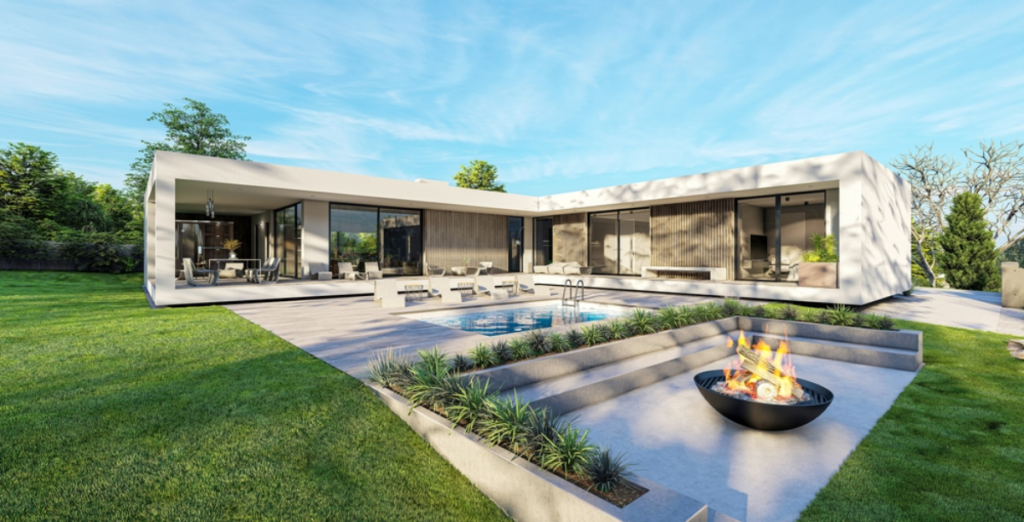
When it comes to transforming your outdoor living space, investing in a professional landscape design can bring your vision to life while adding value to your home. However, the cost of residential landscape design can vary significantly depending on several factors. In this comprehensive article, we’ll explore the average costs, factors that influence pricing, and what you can expect to receive for your investment.
The Average Costs of Residential Landscape Design
According to industry data, the national average cost for a residential landscape design ranges from $2,600 to $4,600. However, some landscape architects may charge upwards of $11,000 for more complex projects. Pacific Outdoor Living, a landscape design company, has competitively placed their fee at $1,850 for the majority of their projects.
For smaller projects, such as a simple paving stone walkway or basic planting, the landscape design cost can be lower. Angi and HomeAdvisor report that most homeowners spend between $1,944 and $7,213, with a national average cost of $4,571.
Factors Affecting Cost
Several factors significantly influence the cost of residential landscape design. Understanding these elements can help homeowners make informed decisions and manage their budgets effectively. Here’s a detailed look at the key factors that affect landscape design costs.
1. Project Size
The overall size of the area to be landscaped is one of the most significant determinants of cost. Larger spaces require more plants, materials, and labor, which naturally increases expenses. For instance, a small garden design may cost significantly less than a comprehensive landscape overhaul for a sprawling backyard. Additionally, extensive projects may necessitate complex features like irrigation systems and lighting, further driving up costs.
2. Project Complexity
The complexity of the design plays a crucial role in determining the cost. Intricate designs that incorporate multiple elements—such as terraces, water features, or custom-built structures—often require specialized skills and more time for planning and execution. This complexity can lead to higher professional fees, as more experienced designers may be needed to create and implement detailed plans.
3. Desired Features
The specific features included in the landscape design can also impact costs. Elements such as swimming pools, outdoor kitchens, elaborate hardscaping, and specialty lighting require additional construction work and materials. Each of these features adds to the overall project cost, so homeowners should consider their budget carefully when selecting desired elements for their landscape.
4. Site Conditions
The condition of the site can significantly affect costs. Properties with challenging terrain—such as steep slopes, rocky soil, or poor drainage—may require additional preparation, grading, or soil amendments, which can increase expenses. Addressing these site-specific issues is crucial for ensuring a successful landscape design, but it can also add to the overall budget.
5. Material Selection
The choice of materials is another critical factor influencing landscape design costs. High-end materials, such as natural stone, premium wood, or custom metalwork, can elevate the aesthetic appeal of the landscape but come with a higher price tag. Conversely, opting for more affordable materials can help reduce costs without sacrificing the overall design quality. Homeowners should balance their desire for high-quality materials with their budget constraints.
6. Labor Costs
Labor costs vary significantly based on the complexity of the project and the geographical location. More intricate tasks, such as installing irrigation systems or constructing hardscapes, require skilled labor, which can drive up costs. Additionally, labor rates can fluctuate depending on local market conditions, so it’s essential for homeowners to consider these factors when budgeting for their landscape design.
7. Permitting and Approvals
In some cases, obtaining permits and approvals for specific landscape features—such as fences, retaining walls, or outdoor structures—can add to the overall cost. These requirements vary by location and may necessitate additional fees for inspections or documentation. Homeowners should research local regulations and factor these potential costs into their budget.
8. Designer Experience and Fee Structure
The experience level of the landscape designer can also influence costs. More experienced designers or landscape architects typically charge higher fees due to their expertise and the quality of their work. Additionally, designers may use different fee structures, such as hourly rates, flat fees, or percentages of the total project cost. Understanding these fee structures can help homeowners choose a designer that fits their budget while ensuring they receive quality service.
What’s Included in a Landscape Design?
When you pay for a landscape design, you should expect to receive a comprehensive plan that leads to no unpleasant surprises. A professional landscape designer will work closely with you to understand your goals and create a design that fits within your agreed budget.
The design package typically includes:
- Research of municipal guidelines to ensure the proposed solution is viable
- Signed design agreement outlining the included elements
- Computer-generated landscape design based on exact property measurements
- 3D renderings to visualize the finished product
- Specifications of products to be used
- Multiple meetings with the designer to keep the process on track
- Estimate of project cost
- Construction contract
- Engineering as needed
- City permits
- Final walk-through with the designer and project manager
Benefits of Investing in a Landscape Design
While the cost of a landscape design may seem high, it’s an investment that can pay off in the long run. A well-designed outdoor space not only enhances the aesthetic appeal of your home but can also increase its resale value.
A professional landscape designer has the expertise to create a functional and visually appealing layout that incorporates your desired elements while considering factors such as lighting, irrigation, and local climate. They can also help you select plants that thrive in your area and require minimal maintenance.
By working with a landscape designer, you can avoid costly mistakes and ensure that your project stays within budget. They can also help you navigate local regulations and obtain necessary permits.
Final Words
The cost of residential landscape design varies depending on the size, complexity, and specific requirements of your project. While it may seem like a significant investment upfront, working with a professional landscape designer can save you time, money, and headaches in the long run.
By understanding the factors that influence pricing and what’s included in a design package, you can make an informed decision about whether to invest in a landscape design for your home. With the right designer and plan in place, you can transform your outdoor living space into a beautiful and functional extension of your home.