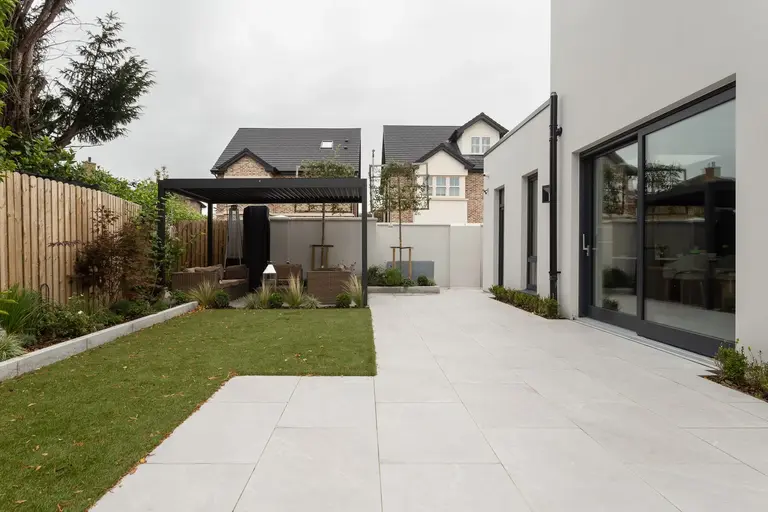
Landscape design is the art and science of creating outdoor spaces that are both visually appealing and functional. It involves carefully considering the site’s natural features, climate, and intended use to develop a cohesive and harmonious design. Whether you are a homeowner looking to enhance your outdoor living space or a professional seeking to create a stunning landscape, understanding the key steps involved in planning a landscape design is crucial.
In this article, we will explore the essential elements and best practices for planning a landscape design that meets your needs and exceeds your expectations.
Assess the Landscape Site
- Topography: Understand the site’s elevation changes, slopes, and drainage patterns. This will help you determine the best placement for hardscaping elements, such as patios and retaining walls, and ensure proper water flow.
- Soil Conditions: Test the soil to determine its pH level, nutrient content, and drainage capacity. This information will guide your plant selection and help you avoid common issues like soil erosion or nutrient deficiencies.
- Sun Exposure: Identify the amount of sunlight the site receives throughout the day. This will help you choose plants that thrive in full sun, partial shade, or full shade.
- Existing Vegetation: Take stock of the existing plants, including their size, growth habits, and condition. This will help you determine which plants to retain, prune, or remove.
Define Your Goals and Needs
- Entertaining: Do you want to create an outdoor living space for entertaining friends and family? If so, consider adding a patio, outdoor kitchen, or seating area.
- Relaxation: Are you looking to create a peaceful retreat? Consider adding a garden, water feature, or seating area with a calming view.
- Play Areas: Do you have children or pets? Consider adding a play area, such as a playground or dog run, to ensure everyone has a place to enjoy the outdoors.
- Low-Maintenance: Are you short on time or not interested in high-maintenance landscaping? Consider adding low-maintenance plants, such as succulents or groundcovers, and using hardscaping elements like pavers or gravel.
Create a Comprehensive Plan For Landscape Design
- Hardscaping: Use hardscaping elements to define spaces, create pathways, and add visual interest. Consider using materials like pavers, gravel, or stone.
- Softscaping: Use plants to add color, texture, and fragrance to your landscape. Consider using a mix of flowering plants, shrubs, and trees to create a diverse and dynamic design.
- Scale and Proportion: Ensure that the different elements of your design are in proportion to each other and to the site. Avoid overwhelming the space with too many features or using elements that are too large or too small.
- Balance: Strive for balance in your design by using elements that create visual harmony. Consider using symmetry, asymmetry, or radial design principles to create a sense of balance.
Selecting the Right Plants
Select plants that are well-suited to your climate, soil conditions, and design goals. Consider factors like mature size, growth habits, and seasonal interest.
- Climate: Choose plants that thrive in your local climate. Consider factors like temperature, humidity, and sunlight exposure.
- Soil Conditions: Select plants that are adapted to your soil conditions. Consider factors like pH level, nutrient content, and drainage capacity.
- Design Goals: Choose plants that fit your design goals. Consider factors like color, texture, and fragrance.
- Mature Size: Ensure that the plants you choose will not outgrow their space. Consider factors like mature size, growth rate, and pruning requirements.
Implement the Design
Once you have a detailed plan, work with a landscape contractor or do-it-yourself to implement the design. Follow best practices for site preparation, planting, and installation of hardscaping elements. Be prepared for some adjustments as the project progresses.
Regular maintenance is essential to keep your landscape looking its best. Follow a schedule for mowing, pruning, weeding, and watering. Monitor the plants for any issues and make adjustments as needed. Most importantly, take time to enjoy your beautifully designed outdoor space.
Wrapping Up
Planning a landscape design is a comprehensive process that requires careful consideration and creativity. By assessing your site, defining your goals, developing a concept plan, and selecting appropriate plants and materials, you can create a beautiful and functional outdoor space that enhances your quality of life.
Whether you choose to hire professionals or embark on a DIY journey, the end result will be a landscape that reflects your personal style and meets your needs.