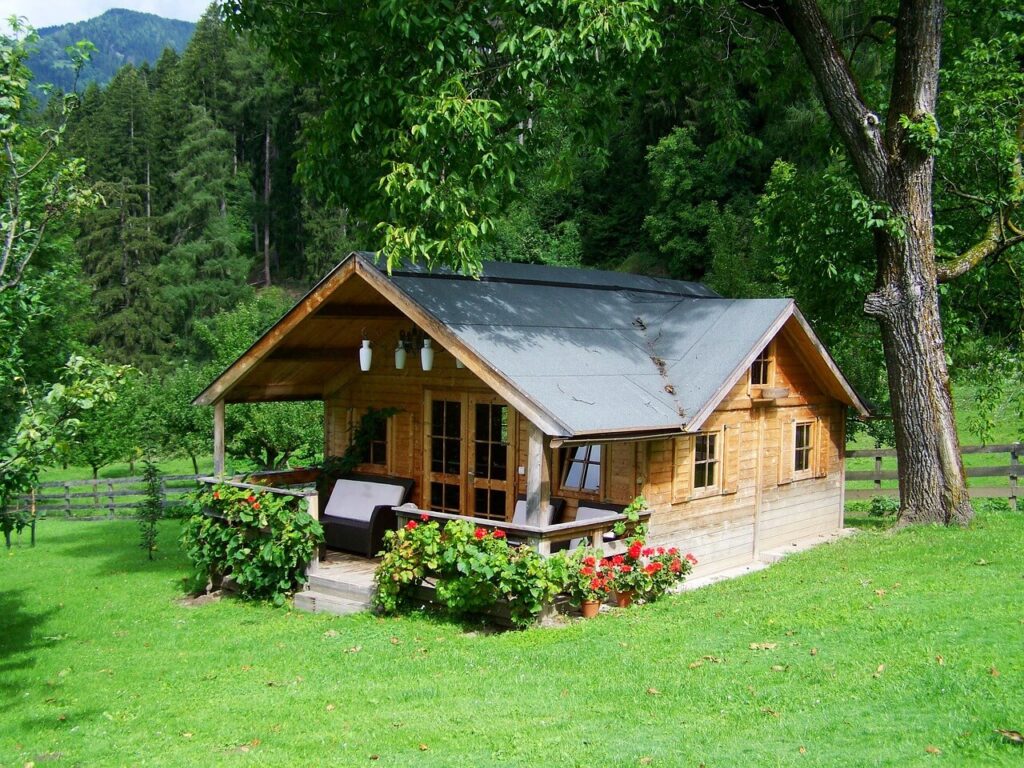
Tiny houses are a growing trend for those looking to downsize and live more sustainably. While their small size offers simplicity, creating a functional and beautiful outdoor space can be challenging. Landscape design for tiny homes is key to maximizing limited space, enhancing the home’s aesthetic appeal, and increasing functionality. In this article, we’ll explore the benefits of landscape design for tiny homes, factors to consider, tips for vertical gardening, five amazing design ideas, and maintenance tips to keep your landscape looking pristine.
Benefits of Landscape Design for Tiny Homes
A well-designed landscape offers several benefits for tiny house dwellers, including:
Increased Functionality
Small outdoor spaces can serve multiple purposes. A thoughtfully planned landscape can include seating, gardening, and storage, allowing you to enjoy nature without feeling cramped.
Enhanced Aesthetic Appeal
Proper landscaping can improve the curb appeal of your tiny house, making the property feel more spacious and inviting.
Sustainability
Tiny homes often emphasize environmental sustainability. Incorporating native plants, water-efficient systems, and composting enhances your landscape while minimizing your ecological footprint.
Improved Mental and Physical Well-Being
Studies have shown that spending time in green spaces can reduce stress and improve overall health. By creating a relaxing and beautiful outdoor area, tiny house owners can enjoy these benefits right at their doorstep.
5 Amazing Landscape Design for Tiny Houses
Here are five innovative landscape designs that make the most of limited outdoor space:
The Compact Oasis
This design focuses on creating a small, tranquil retreat. Include a tiny patio with built-in seating and a mixture of potted plants and raised garden beds all around it. A water feature such as a small fountain or birdbath can add serenity to the space.
Eco-Friendly Garden
Ideal for the eco-conscious homeowner, this design uses recycled materials, native plants, and a rainwater collection system. Raised garden beds filled with vegetables and herbs provide functional beauty, while a gravel pathway adds texture without requiring much maintenance.
Vertical and Movable Garden
Combining vertical gardening with movable planters allows you to adapt the space based on seasonality or need. Lightweight pots, trellises, and rolling carts filled with herbs or flowers offer flexibility and style. Adding solar-powered string lights can enhance the aesthetic at night.
Outdoor Living Room
Create an outdoor living area with a raised deck, pergola, and comfortable seating. Surround the space with plants in built-in planters to soften the edges. Adding an outdoor fire pit or small grill can make the space ideal for gatherings and relaxation.
Zen Garden
A minimalist Zen garden has a small gravel or sand area with carefully placed rocks, a few bonsai trees, and a straightforward bamboo fountain. This low-maintenance design provides a peaceful atmosphere and requires minimal space.
Factors to Consider in Landscape Design for Tiny Homes
Designing the landscape around a tiny home comes with unique considerations:
- Space Constraints: With limited space, it’s essential to create a design that maximizes every square foot. Multi-functional features like patios with built-in seating or planters that also serve as dividers can help optimize space.
- Climate and Location: The local environment will influence plant choices, water management, and design elements. Understanding the climate allows you to select plants that thrive with minimal maintenance and water usage.
- Privacy: Tiny houses often sit on small lots or in close proximity to other homes. Creating a sense of privacy is crucial for feeling comfortable outdoors. Incorporating fencing, shrubs, or green walls can provide seclusion without sacrificing space.
- Sustainability: Focus on sustainable design elements such as rainwater collection, native plants, and eco-friendly materials. Tiny houses typically promote sustainability, and your landscape should reflect those values.
Maintenance Tips for Tiny Home Landscapes
Maintaining a tiny home landscape can be straightforward if planned carefully. Here are some tips to keep your outdoor space looking great:
Choose Low-Maintenance Plants
Select drought-tolerant or native plants that thrive in your region with minimal care. Perennials are a good choice because they come back each year, reducing the need for replanting.
Water Efficiently
Use drip irrigation systems or rainwater collection to minimize water waste. Group plants with similar watering needs together for easier care.
Mulch
Applying mulch to your garden beds helps retain moisture, suppresses weeds, and adds a polished look to your landscape.
Prune Regularly
Keep shrubs, hedges, and vertical gardens in shape by pruning them regularly. This will prevent overcrowding and help your plants stay healthy.
Clean Outdoor Spaces
Regularly sweep patios, clear debris from pathways, and ensure that any water features or outdoor furniture are in good condition.
Bottom Line
Designing the perfect landscape for a tiny house requires creativity and careful planning. By focusing on space optimization, sustainability, and multi-functional elements, you can transform even the smallest outdoor areas into a functional and beautiful extension of your home. Whether you prefer a lush vertical garden, a minimalist Zen retreat, or a cozy outdoor living room, the possibilities are endless. With the right landscape design, your tiny house can feel larger, more connected to nature, and uniquely your own.