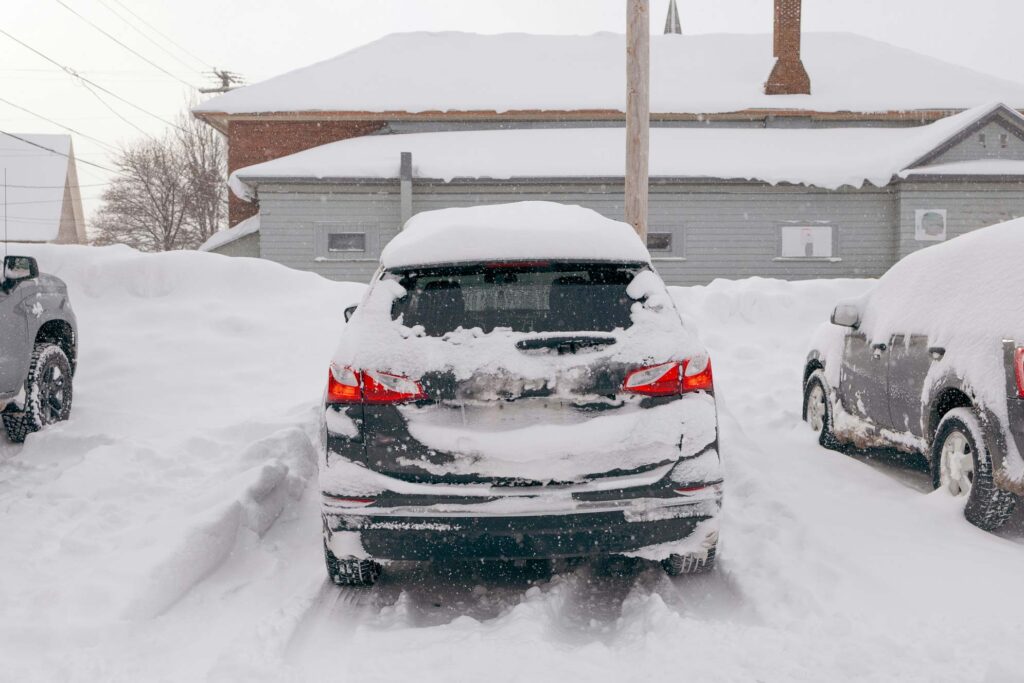
Driveway snow plowing is one of the most common services homeowners request throughout winter in Anchorage and Eagle River. A clear driveway keeps vehicles accessible, reduces slipping hazards, and prevents compacted snow from turning into ice ruts. Many homeowners want a reliable plowing schedule that keeps their driveway usable during and after storms without constant monitoring. This guide explains how driveway plowing works, what affects service needs, and the most effective ways to keep access open all winter.
In Short
- Driveway plowing keeps access clear by removing snow before it compacts and freezes.
• Reliable driveway service reduces hazards and prevents buildup around daily access points.
• Ideal for homeowners needing dependable winter access for vehicles, deliveries, and routine travel.
Driveway Snow Accumulates Quickly
Snow accumulates quickly during storms, especially when drifting or wind patterns push snow toward the home or access points. When snow sits too long, it compacts and becomes difficult to remove without heavier equipment. Regular driveway plowing prevents ice layers from forming and reduces the effort required during heavier storms. Many homeowners rely on routine plowing to keep their day-to-day travel consistent during long winter stretches.
Driveway plowing is especially important for households with frequent travel schedules, narrow access points, or limited space for snow storage. When snow stacks up, vehicles can become blocked in or lose traction on packed surfaces. Professional plowing ensures consistent conditions and reduces the chance of cars getting stuck. Homeowners can also combine plowing with residential snow services when additional support is needed during large storms.
Routine plowing also prevents winter damage. Compacted snow, ice layers, and repeated thaw cycles can degrade driveway surfaces. By keeping snow from accumulating, homeowners protect their pavement and avoid the long-term costs of surface repairs.
Standard Driveway Depth Triggers
Driveway plowing follows standard depth triggers or requests made during storms. Most homeowners choose a specific snowfall threshold that signals when plowing should begin. A plow truck or similar equipment clears the driveway from end to end, ensuring access from the road to the garage or parking area. This process may also involve clearing edges where snow tends to drift or build up after city plows pass.
Depending on the property layout, crews may need to adjust the plow angle to avoid pushing snow into sensitive areas such as walkways or landscaped sections. Homeowners with limited storage space may need periodic hauling, especially during heavy winters. Frozen berms created by city plows are also a common concern, and timely driveway plowing helps keep these berms from blocking vehicles.
Driveway plowing can be combined with residential snow plowing and hauling when snow piles exceed available space. Walkway support may also be added when homeowners want full property access during and after storms.
Types of Driveway Plowing Service Options
Homeowners use different service formats depending on winter needs and budget. Driveway plowing can be scheduled automatically based on snowfall depth, requested on an as-needed basis, or included in broader seasonal plans. Each approach supports a different level of winter preparedness and access consistency.
Some homeowners prefer predictable support during every storm, while others choose flexible options when snowfall varies. Driveway plowing remains adaptable because every winter brings different amounts of snow, different storm patterns, and different access challenges. The service setup depends on how often the driveway needs to be clear and whether additional support is needed around walkways.
Common Driveway Options
- Automatic plowing when snowfall reaches a set depth
• On-call service during storms
• Add-on walkway clearing through residential shoveling services
• Combined driveway and hauling services when snow storage is limited
• De-icing support when the driveway has recurring ice buildup
These formats help homeowners select the right combination of convenience and performance for their property. They ensure driveways remain usable regardless of storm frequency.
What Affects Driveway Plowing Needs
Driveway plowing requirements depend on layout, slope, exposure to wind, and surrounding structures. Some homes have long driveways that need multiple equipment passes, while others have tight access points that require careful maneuvering. Snow drifting contributes heavily to accumulation, especially in open areas or driveways aligned with prevailing winds.
Properties with limited snow storage often require more frequent service. When piles grow too large, plowing becomes less effective, and hauling may be needed. During heavy winters, buildup along driveway edges can reduce space and make each plowing pass more time-consuming. Homeowners may also need de-icing in high-use areas where vehicle tires pack snow into slick surfaces.
These variables influence how often a driveway needs service and whether additional support such as residential snow services or residential grading is beneficial for long-term access and drainage.
Factors That Increase Driveway Service Frequency
- Long or sloped driveways prone to icy conditions
- Areas with heavy drifting or wind-loaded accumulation
- Limited space for snow storage at the driveway edges
- Frequent vehicle traffic that compacts snow quickly
- Driveways with recurring drainage or ice formation problems
Adjusting the service plan around these conditions helps maintain consistent and safe access throughout winter.
Equipment Used for Plowing Driveways
Driveways require equipment that can clear snow effectively without damaging surfaces or nearby property features. Most driveway plowing is done with a plow truck sized appropriately for the property. In tighter areas or steep sections, a skid steer may be used for better control. Larger equipment is used in cases where drifting or snowfall is especially heavy.
Crews evaluate the driveway material, slope, and surrounding space before selecting the equipment. This ensures the plow can maneuver safely around parked vehicles, garage doors, fences, and landscaped areas. During heavy winters, equipment may need to switch between plowing and stacking to manage pile height.
Driveway plowing can also be supported with smaller equipment or hand tools near walkways, steps, and porches. Walkway support is common when homeowners want complete access around the entry points.
Add-On Services That Improve Driveway Access
While plowing is the central service, add-ons help maintain traction, reduce slip hazards, and improve long-term access. Some driveways become icy because of drainage issues or repeated compaction. Others accumulate large berms at the road edge after city plows pass. Add-on services address these recurring challenges.
Hauling is important when driveway snow piles exceed the available space. This prevents snow from sliding back onto the driveway during warmer periods. De-icing helps prevent slick surfaces, especially on sloped driveways or high-use areas. Some homeowners also request walkway support to keep stairs and entry points clear.
These additions improve convenience and reduce risk for daily travel in and out of the property.
Useful Add-On Options
- Hauling for excessive snow pile buildup
- De-icing for traction on steep or shaded areas
- Walkway clearing to maintain safe foot access
- Edge pushing when piles begin to restrict space
- Compaction removal when snow hardens into ruts
Homeowners can combine these services with residential snow services for more comprehensive property care throughout winter.
FAQ
- Who offers reliable snow plowing for homes in Anchorage?
Local contractors with winter operations provide consistent driveway plowing and offer options for walkways, access points, and hauling when needed. - How much does residential snow removal typically cost in Anchorage?
Driveway plowing costs depend on driveway size, slope, snowfall frequency, and any additional services such as shoveling or hauling. - What is included in a residential snow removal contract?
Contracts usually include plowing at defined snowfall depths, access clearing, and optional add-ons such as de-icing or walkway support. - Do any local companies offer driveway snow plowing and hauling?
Yes. Hauling services are available when driveway snow piles become too large or limit space. - Are there residential snow services available in the Mat-Su Valley?
Driveway plowing, shoveling, and hauling are available for homeowners across the Mat-Su region throughout winter.
Driveway plowing keeps your property accessible during winter and prevents snow from building into compacted layers that create hazards. Regular service helps maintain traction, reduce risk, and ensure your driveway remains usable throughout each storm cycle. Whether you need automatic service, on-call support, or add-on management for walkways and ice, Alaska Landworks provides dependable driveway plowing for winter conditions across Anchorage and the Mat-Su region.
To schedule driveway service or request an estimate, you can contact Alaska Landworks.