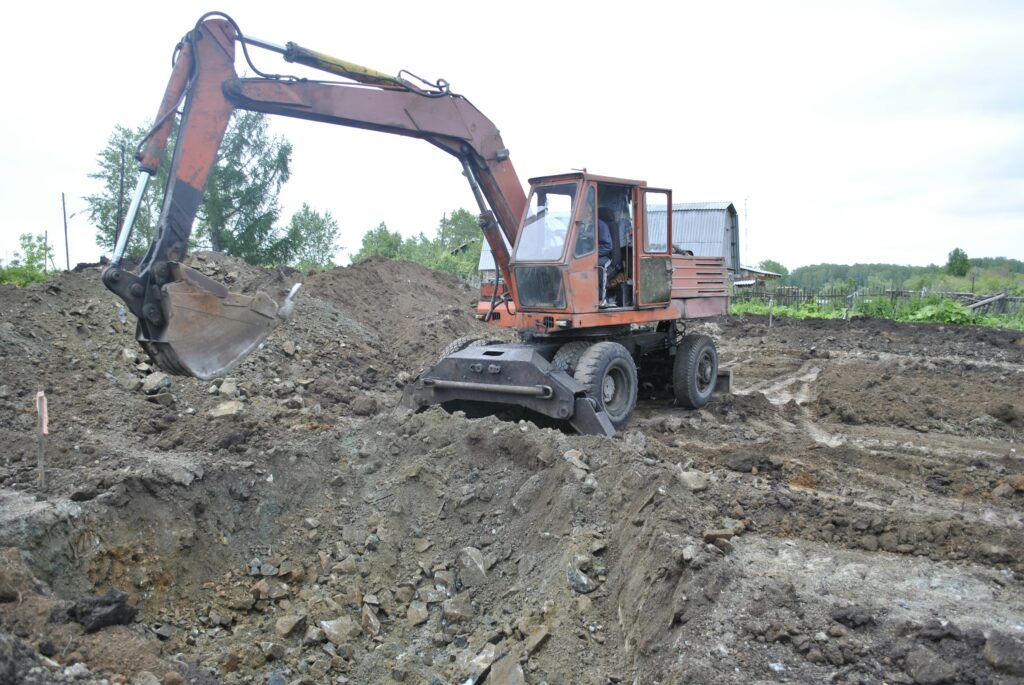
Site work in construction is more than moving dirt around—it’s the foundation that determines how successful a project will be over time.
In Anchorage and across Southcentral Alaska, ground conditions create unique challenges that experienced contractors and property owners know all too well: unstable soils, frost heave, poor drainage, and short seasonal windows for proper prep.
Skipping steps or rushing site work leads to costly problems later—like foundation settlement, cracked slabs, drainage failures, and unstable surfaces. Whether you’re preparing for a new building, addition, or landscape installation, addressing ground prep issues early is critical.
Common Ground Problems in Anchorage Site Work
Even experienced builders have to adapt to Anchorage’s specific conditions. Site work in construction here isn’t as simple as clearing and leveling—Alaska’s freeze-thaw cycles, soil types, and uneven terrain demand extra planning.
Some of the most common ground prep challenges include:
-
Frost-Susceptible Soils: Silty and clay-heavy soils expand during freezing, creating heaving and uneven movement.
-
Poor Drainage: Meltwater pooling after snow season can saturate soils, destabilizing foundations and paving.
-
Layered Subsurfaces: Anchorage lots often have mixed layers of gravel, sand, and silt, complicating compaction and stability efforts.
-
Rock Obstructions: Unexpected boulders or rocky layers slow excavation and require specialized equipment.
Proper site work and land clearing address these problems before any vertical construction begins.
Ground Prep Timing is Important
Anchorage’s short construction season leaves little room for error.
Trying to excavate or grade when soils are too saturated, frozen, or unstable wastes time and money. Rushing work during thaw season can also lead to major site corrections later when settlement or drainage issues appear.
Professional teams experienced in site work in construction watch seasonal patterns carefully:
-
Early spring requires careful moisture checks before moving heavy equipment
-
Late summer grading must anticipate early freeze timing
-
Fall backfill work must plan for runoff and frost to prevent trench collapse
Getting the timing right saves not just immediate construction costs but long-term structural integrity as well.
Key Site Work Steps to Handle Anchorage Ground Conditions
Successful site work in construction in Anchorage typically includes
-
Soil Analysis: Testing subsurface layers for frost susceptibility and drainage characteristics
-
Grading for Drainage: Shaping the site to ensure water flows away from foundations and critical structures
-
Deep Compaction: Using correct methods and equipment to ensure stable soil density across the site
-
Frost-Protected Footing Prep: Excavating and insulating around foundation areas prone to freeze-thaw damage
-
Surface Stabilization: Applying materials like crushed gravel to create workable surfaces before pavement or slab pours
Ignoring even one of these steps can compromise an otherwise well-planned project.
The Municipality of Anchorage Development Services offers guidelines on drainage and soil stabilization, but real-world application often demands more careful site-specific planning based on experience.
Signs Ground Prep Wasn’t Handled Properly
Unfortunately, it’s often the next season—after snowmelt or freeze-thaw—that poor site work becomes obvious:
-
Standing water near foundations or paved areas
-
Cracking in new sidewalks, driveways, or pads
-
Uneven settling along building edges or retaining walls
-
Fence or wall shifting out of alignment months after installation
Correct site work reduces or eliminates these risks long before they surface.
Request an Estimate for Site Work in Construction
If you’re preparing for a project and want the ground conditions handled right from the start,
Request a New Customer Estimate or Existing Customer Estimate.
Get site work in construction backed by local experience and proven results across Anchorage’s toughest properties.