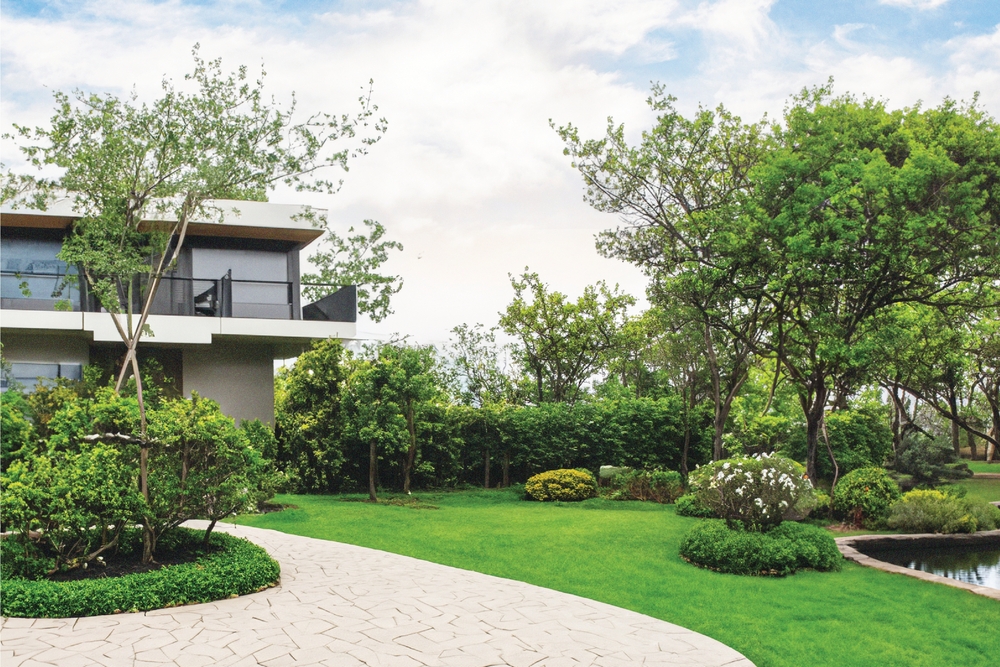
Winter often brings to mind images of barren landscapes and dormant gardens. However, with the right landscape design ideas, your outdoor space can remain vibrant, functional, and beautiful, even during the coldest months. Whether you want to create a cozy retreat, a whimsical winter wonderland, or a practical yet appealing garden, here are some amazing landscape design ideas for winter.
Key Elements of Winter Landscape Design
Creating a captivating winter landscape requires thoughtful planning and a focus on elements that enhance the beauty and functionality of your outdoor space during the colder months. Here are the key elements to consider when designing a winter landscape:
1. Incorporate Evergreens for Year-Round Color
Evergreens are essential for maintaining color and structure in a winter landscape. Unlike deciduous plants, evergreens retain their foliage all year round, ensuring your garden remains vibrant even in the depths of winter. Consider planting a variety of evergreen trees and shrubs, such as pine, spruce, fir, boxwood, and juniper.
These plants not only provide greenery but also serve functional purposes, like creating natural privacy screens or windbreaks. To add depth and visual interest, mix different types, shapes, and sizes of evergreens. Their diverse textures and shades of green can create a dynamic and layered look, making your garden appealing throughout the winter.
2. Add Winter-Blooming Plants for a Pop of Color
Winter doesn’t mean an absence of flowers. Several plants bloom specifically in winter, bringing unexpected splashes of color to the frosty landscape. Consider incorporating these winter-blooming plants:
- Hellebores (Christmas Roses): Thrive in cold weather and produce beautiful blooms even in snow.
- Witch Hazel: Known for its vibrant yellow flowers that bloom in late winter.
- Winter Jasmine: Offers bright yellow blooms that contrast beautifully against the winter backdrop.
Plant these winter bloomers strategically in visible spots, such as near windows or along walkways, to maximize their visual impact. This way, you can enjoy their beauty indoors or during a brisk winter stroll.
3. Utilize Lighting to Create Ambiance and Safety
With shorter days in winter, lighting becomes a crucial element in landscape design. Thoughtful lighting enhances both the beauty and safety of your outdoor space. Pathway lights, whether solar-powered or low-voltage, provide essential illumination to prevent slips and falls on icy surfaces. Beyond functionality, lighting can create a magical ambiance.
Uplighting can highlight the unique structure of bare trees or architectural features, while downlighting can mimic the effect of moonlight, casting soft, inviting glows. String lights wrapped around trees or draped over shrubs add a whimsical touch, transforming your garden into a winter wonderland.
4. Design a Cozy Outdoor Living Space
Who says winter is only for indoor living? With a few adjustments, you can transform your outdoor space into a cozy retreat even in cold weather. A fire pit or outdoor fireplace serves as a natural gathering spot, providing warmth and a focal point for socializing. Surround the fire pit with comfortable, weather-resistant seating, and add thick cushions and warm blankets to create an inviting atmosphere.
To further enhance comfort, consider installing outdoor heaters and windbreaks to protect against chilly winds. This setup not only extends your outdoor living season but also offers a unique way to enjoy winter’s beauty up close.
5. Plan for Wildlife Attraction
Winter can be a challenging time for wildlife, and designing a garden that supports local fauna can bring life to your landscape. Installing bird feeders and heated bird baths is a great way to attract a variety of birds, adding movement and sound to your garden. Plants like winterberry or viburnum provide food and shelter for birds and small mammals, helping them survive the colder months.
By creating a wildlife-friendly garden, you not only contribute to the local ecosystem but also enjoy the dynamic presence of birds and other animals throughout the winter.
6. Wildlife-Friendly Additions
Designing with wildlife in mind adds life and movement to a winter garden. Bird feeders, heated bird baths, and plants that provide food and shelter, like berry-producing shrubs, attract birds and small mammals, creating a lively and engaging landscape.
7. Snow Management Solutions
Effective snow management is essential for maintaining accessibility and protecting plants. Heated walkways, designated snow storage areas, and the use of snow-resistant plants help manage snow buildup and prevent damage, ensuring your landscape remains functional throughout the winter.
8. Garden Structures for Visual Interest
Garden structures, such as pergolas, arbors, trellises, and gazebos, provide height and visual interest. These structures can serve as focal points or be adorned with winter-friendly climbing plants, adding an architectural element to the winter garden.
Wrapping Up
With a bit of creativity and thoughtful planning, your winter landscape can be as inviting and beautiful as it is in the warmer months. By incorporating evergreens, winter-blooming plants, hardscape features, and practical snow management, you can create a winter garden that is both functional and visually stunning. Whether you prefer a tranquil retreat or a lively outdoor gathering space, these landscape design ideas will help you make the most of your outdoor space all year round.