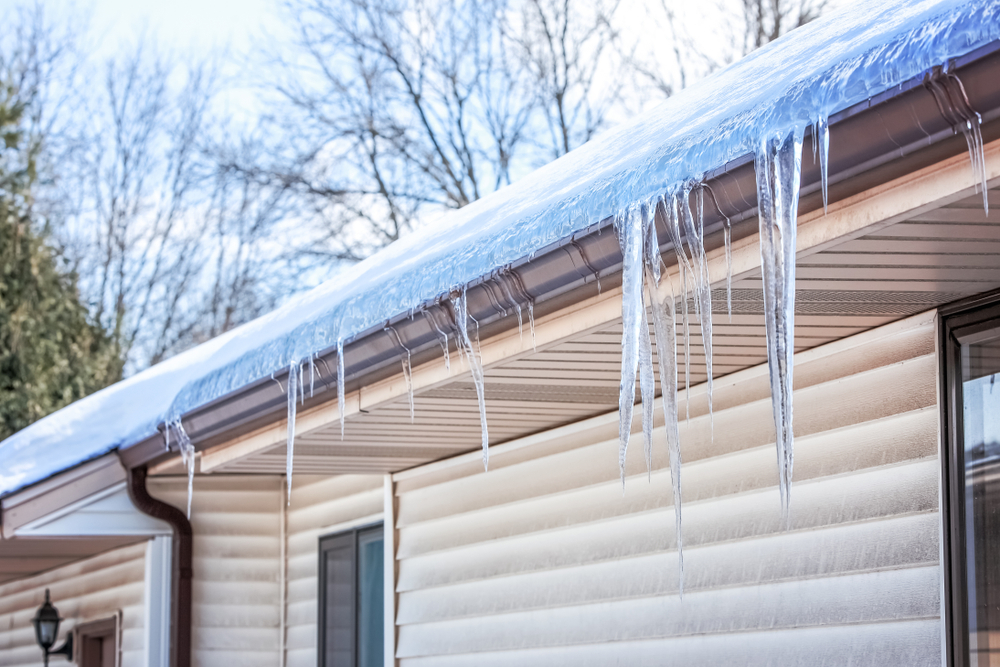
Alaska’s freezing temperatures and heavy snowfall make ice dams a common and dangerous winter hazard. When left unmanaged, ice dams can lead to roof damage, leaks, and structural issues, putting both homes and businesses at risk. Preventing ice dams is essential to preserving property and ensuring safety throughout the winter season. In this article, we’ll explore what ice dams are, why they form, and how to prevent them to keep your property protected in Alaska.
Understanding Ice Dams and Their Risks
An ice dam is a ridge of ice that forms along the edge of a roof, typically over the eaves, where snow melts and refreezes. The melting snow runs down the roof, reaches the colder edge, and refreezes, forming a block of ice. This ice barrier prevents subsequent melting snow from draining off the roof, causing water to back up under the shingles and potentially leak into the home.
Common Risks Associated with Ice Dams:
- Roof and Shingle Damage: When water seeps under shingles, it can lead to significant damage to the roof’s structure and materials.
- Water Leaks and Mold: Water entering the attic or ceiling can result in leaks, leading to mold growth and potential structural weakening.
- Gutter Damage: Ice dams add weight to gutters, causing them to detach from the roof and compromise drainage.
Preventing ice dams not only protects your property but also helps maintain the overall safety and efficiency of your home.
Why Ice Dams Form: The Science Behind Ice Dams?
Understanding the conditions that lead to ice dam formation is crucial to preventing them. Here’s a look at the primary factors:
Heat Loss from the Attic
A warm attic due to poor insulation or ventilation allows snow on the roof to melt prematurely. This meltwater then flows down to the colder roof edges, where it refreezes, creating an ice dam.
Uneven Roof Temperatures
Uneven heating on the roof is typically due to heat rising from the home and reaching certain areas of the roof, creating inconsistent temperatures that encourage melting and refreezing cycles.
Cold Eaves
The edges of the roof, or eaves, remain colder than the rest of the roof surface. This temperature difference allows water flowing from the warmer roof area to refreeze, forming ice ridges along the eaves.
Preventive Measures for Ice Dams
Preventing ice dams effectively involves a few essential steps: enhancing insulation, ensuring proper ventilation, and maintaining your roof. Here’s a closer look:
Improve Attic Insulation
Adding insulation to the attic floor helps retain heat inside the home rather than letting it escape and warm the roof. This prevents snow from melting unevenly, which is a primary cause of ice dam formation.
Ventilate Properly
Soffit and ridge vents are crucial in keeping the attic temperature consistent with the outdoors. This ventilation allows warm air to escape, reducing snowmelt that can refreeze along roof edges.
Install Heated Cables
In especially problematic areas, heated cables can prevent ice dams by providing controlled heat along the roof’s edge, melting snow before it can refreeze and create blockages.
Use a Roof Rake
After heavy snowfall, use a roof rake to clear snow from the edge of the roof. Removing snow prevents it from accumulating and melting, reducing the potential for ice dam formation.
Clean Gutters Regularly
Before winter, ensure gutters and downspouts are free of debris. This allows melted snow to drain properly instead of backing up and refreezing along the eaves.
Following these preventive measures can help safeguard your home from the damage and costly repairs associated with ice dams, keeping your property protected throughout the winter.
Effective Tools and Techniques for Ice Dam Prevention
Several tools can be effective in managing or preventing ice dams:
- Heated Cables: Installed along the roof’s edge, heated cables can help melt snow and ice, preventing the buildup that leads to ice dams.
- Calcium Chloride Ice Melter: Non-corrosive and safe for roofing materials, calcium chloride can help melt ice dams without damaging your roof.
- Snow Guards and Snow Retention Systems: Designed to keep snow from sliding off too quickly, these systems help prevent large accumulations at the roof’s edge.
Seasonal Maintenance Tips
Regular maintenance before and during the winter season can prevent conditions that lead to ice dams.
- Inspect Roof and Attic Before Winter: Schedule inspections to ensure insulation, ventilation, and drainage systems are functional.
- Clear Snow Regularly: After heavy snowfalls, clear the roof edge with a rake to minimize snow accumulation.
- Use Safe Melting Products: Calcium chloride is preferred over rock salt, which can damage roofing materials and surrounding vegetation.
When to Call a Professional
Although taking preventive measures can be beneficial, there are instances when consulting a professional is the most secure and efficient course of action. Consider hiring an expert if:
Ice Dams Are Already Formed
If you notice significant ice buildup along your roof edges or water leaks inside your home, it’s time to call a professional. Trying to remove ice dams on your own can damage your roof or pose safety risks.
Recurring Ice Dam Problems
If ice dams are a yearly issue despite your efforts, a professional can assess your roof, insulation, and ventilation setup and recommend tailored solutions.
Heavy Snow Accumulation
Regular snow removal is essential, especially after heavy snowfall. A professional has the right tools and expertise to safely remove snow without causing damage to your roof.
In the Anchorage area, Alaska Landworks offers expert ice dam prevention and removal services. Whether you need routine snow management or help with persistent ice dam issues, our team is here to keep your property safe. Contact Alaska Landworks today to protect your home all winter long.
Final Thoughts
Preventing ice dams in Alaska requires a multi-pronged approach focusing on proper insulation, ventilation, and regular maintenance. With a proactive stance and the right tools, homeowners can protect their property from the costly consequences of ice dams. By implementing the strategies outlined here, you’ll be better equipped to keep your home safe, comfortable, and well protected all winter long.