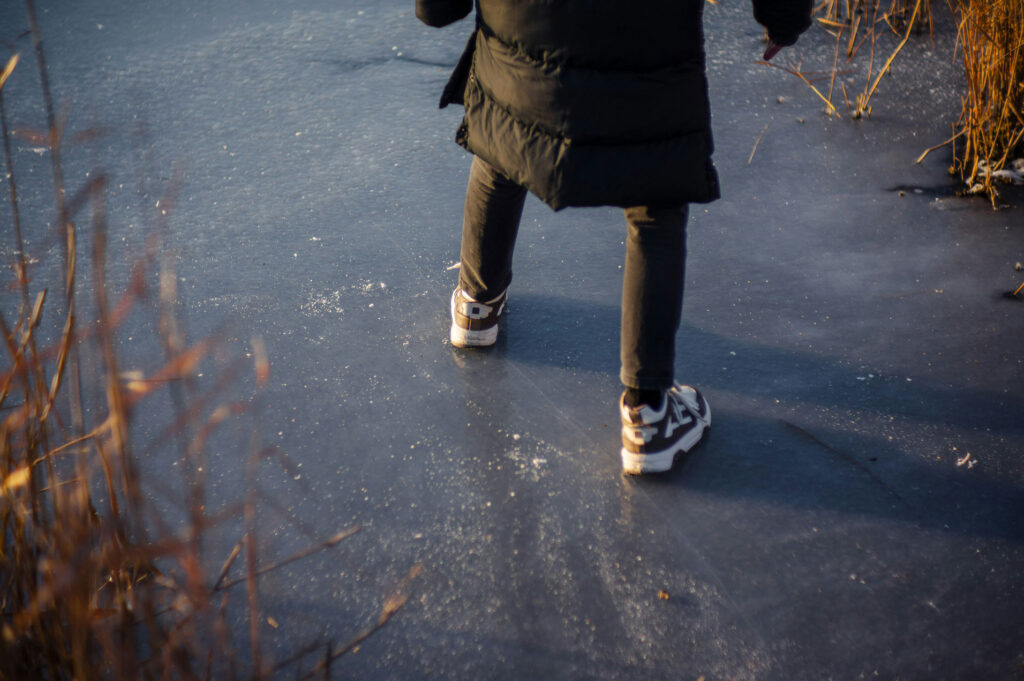
Anchorage winters often bring a mix of snowfall and rapid temperature swings that create freeze–thaw cycles across residential properties. These cycles can turn moisture into hard, slick ice that is difficult to see and even harder to manage without a plan. Many homeowners focus only on snow removal, but ice is often the greater hazard because it develops quickly and blends into the surrounding surface. Understanding how ice forms, how to control it, and how to stay safe during these cycles helps families reduce risk during everyday routines. This guide shares practical safety advice and explains how ice control services support safer home access throughout the winter.
In Short
- Ice control services help manage freeze-thaw conditions that create hidden hazards around homes.
- Managing ice is as important as clearing snow because thin layers are often difficult to see until someone slips.
- Homeowners can improve safety with simple measures such as traction aids, reflective gear, and walkable pathways.
Why Freeze-Thaw Cycles Create Hidden Hazards
Freeze–thaw cycles occur when temperatures rise during the day and drop again at night. Snow melts, flows across surfaces, and refreezes into thin layers that can be difficult to detect. These layers form on driveways, walkways, porches, and any area where melting snow travels. Homeowners in Anchorage often experience these conditions throughout the season, even during periods without new snowfall.
This type of ice is dangerous because it does not always look reflective or frosty. Instead, it blends into concrete, gravel, and asphalt surfaces. Many homeowners assume their property is safe after clearing snow, only to encounter hard ice the next morning. Ice control services help manage these recurring problem areas before they become daily hazards.
Freeze–thaw cycles also affect vehicle access. Driveways exposed to sunlight may thaw during the day, only to freeze into a solid sheet overnight. When combined with residential snow services, proper ice control ensures traction is maintained in these transitional periods.
The Role of Ice Control Services for Anchorage Homes
Ice control services address the most common residential hazards created by winter temperature swings. These services improve traction around entry points, walkways, driveways, and frequently used paths. Homeowners rely on ice control because even a thin layer can create slipping risks for family members, guests, delivery drivers, and anyone walking across the property.
Providers use de-icing materials specifically designed for Anchorage’s winter conditions. These materials break the bond between ice and pavement, making it easier to remove or preventing it from forming in the first place. Ice control services also protect the driveway surface from long-term damage caused by trapped moisture and repeated freezing.
Homeowners who combine ice control services with residential snow services experience fewer hazards overall. Routine treatments reduce the likelihood of black ice forming overnight and keep high-use areas safer during storms and refreeze cycles.
Where Ice Forms Most Often on Residential Properties
Ice does not accumulate evenly across a property. Certain areas naturally collect meltwater, and these locations should be prioritized when planning winter safety. Identifying these zones helps homeowners understand when and where they need the most support.
Walkways near downspouts often freeze first because runoff concentrates on narrow paths. Driveways on slight slopes also freeze quickly, even if the elevation change seems small. Porches exposed to afternoon sun thaw during the day and refreeze overnight. Homes with shaded areas or limited exposure to sunlight experience more persistent ice because the surface rarely warms.
Knowing these patterns helps determine where ice control services and at-home precautions should be applied. Homeowners can also improve conditions by adjusting walkway design or using solutions like residential grading to improve drainage before winter.
Common Areas Where Ice Develops
- Driveways exposed to freeze–thaw cycles
- Walkways near downspouts or gutter runoff
- Shaded sections that do not warm during the day
- Front steps and porches with regular foot traffic
- Narrow access paths between home and garage
Monitoring these sections daily reduces the chance of unexpected ice buildup.
Safe Ice Management Homeowners Can Handle Themselves
While professional ice control services provide comprehensive support, there are simple steps homeowners can take between treatments. These actions help reduce slipping risks and maintain traction during high-refreeze periods. Smaller tasks handled consistently make a meaningful difference in daily safety around the home.
Homeowners can apply traction sand or residential-grade de-icer on entry steps, porches, and walkways. Using the right materials prevents the ice from bonding to the surface. Regular sweeping of loose snow also helps reduce meltwater that contributes to ice formation. Even light snow accumulation can melt and refreeze into slippery sections if left overnight.
Clearing drainage paths prevents meltwater from pooling in high-traffic areas. Homeowners can also use simple tools such as ice scrapers to break up thin layers when conditions allow. Consistency is the key, especially in areas with repeated freeze–thaw shifts.
At-Home Ice Management Options
- Apply de-icer on steps, walkways, and high-use areas
- Spread traction sand where frequent slipping occurs
- Clear small meltwater channels to reduce pooling
- Remove thin layers with an ice scraper when practical
- Sweep away light snow before it refreezes
These steps help families manage daily hazards until a full ice control service visit occurs.
Personal Safety Tips for Homeowners and Families
Managing the property during ice season is only part of staying safe. Personal precautions help prevent injuries during everyday tasks such as leaving for work, checking the mail, or walking children to the car. These small choices reduce risk even when surfaces appear clear.
Traction aids are highly effective. Slip-on spiked shoe covers provide grip on icy surfaces and can be kept in the entryway for quick access. Wearing footwear with sturdy tread helps maintain balance during regular movement. Many homeowners also use walking sticks or small stabilizers when navigating outdoor paths after dark or during icy periods.
Reflective gear is useful during early morning or evening hours. Anchorage winter light conditions make visibility a challenge, and reflective accessories ensure drivers can see pedestrians on icy driveways or neighborhood roads.
Safety Measures for Families
- Use spiked shoe covers or traction cleats during icy periods
- Choose winter boots with strong tread and ankle support
- Wear reflective vests or accessories during low-light hours
- Carry a small flashlight when walking across dark surfaces
- Remind children to walk slowly and avoid running on outdoor paths
These simple steps support safer movement across the property throughout winter.
When Professional Ice Control Is Necessary
Some ice conditions are too severe or widespread for homeowners to manage alone. Thick layers caused by extended freeze–thaw cycles require specialized materials and equipment. When ice covers large driveway sections or continues forming despite routine at-home efforts, professional support becomes essential.
Ice control services address deep, bonded layers that create long-term hazards on residential properties. Providers use commercial-grade materials that work quickly in low temperatures, improving traction and preventing additional layers from forming. When paired with services such as residential snow services or residential snow plowing and hauling during heavy snow cycles, homeowners get complete coverage.
Homes with steep driveways or complex layouts also benefit from professional ice control. These properties are difficult to manage with residential tools and require consistent intervention to remain safe.
FAQ
- Who offers reliable ice control for residential properties in Anchorage?
Local providers with winter service experience offer de-icing, traction support, and ongoing monitoring for residential properties throughout Anchorage. - Can I get snow shoveling service for walkways and steps?
Yes. Residential shoveling services are available for porches, walkways, and narrow paths that require manual clearing before ice control is applied. - Do residential snow services include sanding or de-icing?
Some service plans include these options, and homeowners can request additional ice control treatments during freeze–thaw cycles. - Are there residential snow services available in the Mat-Su Valley?
Yes. Homeowners in the Mat-Su Valley can request snow and ice management depending on storm conditions and access needs. - What is the best option for homeowners needing recurring snow removal?
Recurring service includes routine plowing and the option to add ice control for consistent traction during winter.
Ice control is a critical part of winter safety for Anchorage homeowners. Freeze–thaw cycles create hazards that cannot be managed through snow removal alone. With the right combination of professional support and simple at-home precautions, families can navigate their property safely throughout the season. Paying attention to high-risk areas, monitoring temperature changes, and using basic safety gear all contribute to a safer winter environment.
To request ice control support or a winter property assessment, you can contact Alaska Landworks.