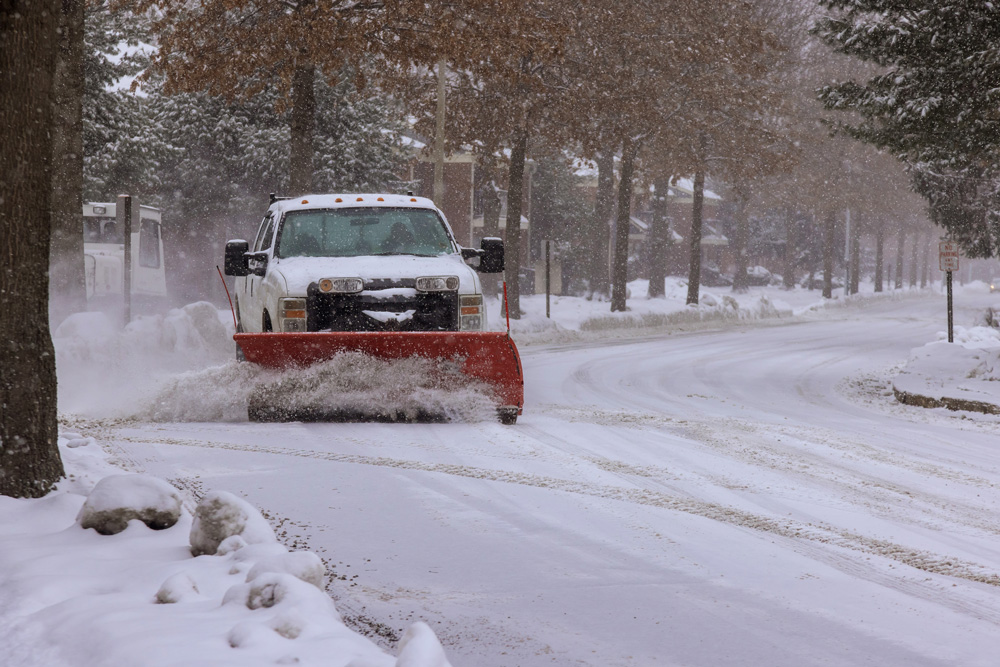
If you’ve lived through an Anchorage winter, you already know snow removal isn’t just about pushing snow aside. Many residents complain that plow trucks arrive too late—after cars are stuck in driveways or customers can’t reach parking lots. Even worse, snow is often piled in the wrong spots, blocking sidewalks, mailboxes, and storm drains.
These aren’t small inconveniences. They’re daily frustrations that make life harder for homeowners and create real financial and safety risks for businesses. That’s why professional, well-planned snow plowing in Anchorage is about more than showing up—it’s about timing, technique, and strategy.
In Short
Alaska Landworks takes the frustration out of snow plowing in Anchorage with services designed to fix the most common problems:
- Reliable plow timing to keep driveways and lots open when you need them
- Smart snow placement that prevents blocked access and drainage issues
- Full coverage, including sidewalks and walkways, not just main areas
- Commercial plowing that protects businesses from lost revenue and liability
Instead of dealing with late crews and dangerous snow piles, property owners get clear, safe access all winter long.
The Problem: Late Plows & Blocked Driveways
One of the biggest frustrations Anchorage homeowners report plows showing up long after the storm has passed. By then, driveways are buried, cars are stuck, and icy buildup makes removal harder. Businesses face the same issue—lots full of snow mean customers simply drive away.
- Driveways blocked in: Residents can’t leave for work or appointments on time.
- Commercial lots inaccessible: Businesses lose customers, sometimes for the whole day.
- Icy buildup: Waiting too long to plow allows snow to compact into ice, making it dangerous and harder to remove.
These problems add up to lost time, lost revenue, and unnecessary stress. With residential snow plowing services, Alaska Landworks schedules plowing to keep homeowners moving. For businesses, commercial snow plowing ensures lots are open before opening hours.
The Problem: Snow Piled in the Wrong Places
Even when a plow arrives, the job often isn’t done right. Many crews push snow into berms that block sidewalks, mailboxes, or storm drains. Over time, these piles turn into icy hazards that create even bigger problems.
- Blocked sidewalks force pedestrians into the street, creating safety risks.
- Buried mailboxes and hydrants frustrate residents and slow emergency response.
- Drainage issues from poorly placed piles cause flooding and ice dams during thaw cycles.
Bad snow placement doesn’t just look messy—it creates hazards that last all season. Alaska Landworks takes the time to plow smart. We haul snow when needed, clear sidewalks, and ensure drains remain open. This planning prevents long-term headaches for property owners.
The Solution: Alaska Landworks Snow Plowing
We designed our Anchorage snow plowing services around these frustrations. Our goal is to eliminate the most common complaints homeowners and businesses have.
- Reliable scheduling: Crews are dispatched to align with storm timing, not hours later.
- Strategic snow management: Piles are placed where they won’t block access or drainage.
- Complete coverage: Sidewalks, walkways, and entries are included—not just driveways and lots.
- Commercial readiness: Businesses get priority scheduling to ensure customers have access before opening.
By combining plowing with ice management services, we also prevent the refreezing that makes many lots hazardous even after the snow has been cleared.
Why Planning Matters for Anchorage Winters
Most plow companies think snow removal is just about “showing up and pushing snow aside.” The truth is, poor planning costs property owners far more than a contract with a reliable team. Every late arrival or blocked drain creates risks that pile up as fast as the snow.
Alaska Landworks treats snow plowing as season-long property management. With seasonal contracts, emergency service, and snow hauling options, we don’t just clear snow—we plan for runoff, accessibility, and safety from the first storm to the last thaw.
Stay Ahead of Anchorage’s Snow
Anchorage winters will always be unpredictable. But your plowing service shouldn’t be. With Alaska Landworks, you’ll never be stuck waiting for a late plow or dealing with blocked sidewalks and drains.
We provide snow plowing in Anchorage that puts property owners first—with reliable timing, smarter snow placement, and full-service coverage. That’s how we keep homes, businesses, and entire communities moving, no matter how much snow falls.
People Also Ask
How much does snow plowing cost in Anchorage?
The cost of snow plowing in Anchorage depends on the size of the property, frequency of service, and whether snow needs to be hauled away. Residential driveways may range from a per-storm rate to seasonal contracts, while commercial lots are usually priced based on square footage and service level. With Alaska Landworks snow services, property owners can choose flexible options that fit their needs and budget.
What’s the difference between snow plowing and snow removal?
Snow plowing pushes snow aside to create access, while snow removal involves hauling snow completely off-site. Many Anchorage residents find that plowing alone can lead to snow piles that block driveways or drains. That’s why Alaska Landworks offers snow hauling when needed, ensuring properties remain safe and fully usable.
When should I schedule snow plowing in Anchorage?
The best time to plow is during or immediately after a storm, before snow compacts into ice. Waiting too long can make removal harder and less effective. Businesses especially benefit from scheduled commercial plowing, which keeps lots accessible before opening hours.
Why is snow placement important in Anchorage?
Improper snow piling can block sidewalks, hydrants, and drains, causing safety hazards and flooding during thaws. Strategic snow placement ensures runoff is controlled and access points remain open. Alaska Landworks prioritizes smart snow management so property owners avoid long-term headaches caused by poor plowing practices.