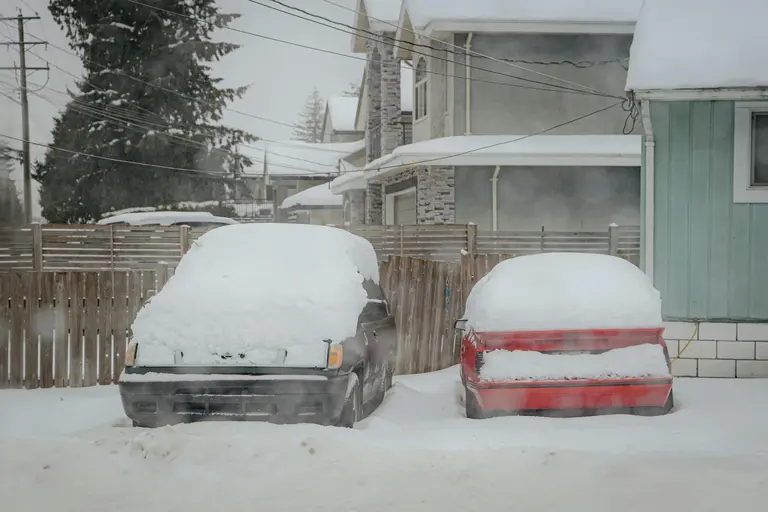
Snow accumulation in Alaska is not only an inevitable part of winter but also a powerful force that can shape the health and vitality of a landscape. While the snow blanket provides insulation for plants and acts as a reservoir for water when it melts, too much or unmanaged snow can pose risks to the landscape’s health. This article explores the complex relationship between snow accumulation and landscape health in Alaska, offering insights on how to manage snow to protect plants, lawns, and outdoor structures effectively.
The Benefits of Snow for Landscape Health
The freezing temperatures can have a negative impact on Alaska’s landscapes, but snow has many advantages. Here’s how snow can benefit the natural environment:
Insulation for Plants and Soil
Snow acts as a natural insulator, trapping warmth in the soil and around plant roots. This insulation helps prevent plants from experiencing extreme temperature fluctuations, which can damage or kill sensitive roots. The snow layer also protects perennials and other plants by shielding them from desiccating winds.
Water Supply for Spring Growth
Snow accumulation serves as a future water source. As snow melts in the spring, it gradually releases water into the soil, ensuring it is well-hydrated for the growing season. This slow release reduces the need for artificial irrigation early in the season and supports the growth of both native and non-native plants.
Protection from Erosion
The layer of snow covering the soil during the winter months also prevents erosion. Without snow, soil is more exposed to the effects of strong winter winds and sudden spring thaws, which can wash away nutrient-rich topsoil. Snow minimizes these effects, helping to maintain soil integrity.
Risks of Excessive Snow Accumulation
While moderate snow can be beneficial, excessive snow accumulation presents a unique set of challenges. Here’s how too much snow impacts various aspects of landscape health:
Compaction and Soil Damage
When large amounts of snow build up, especially in areas with heavy foot or vehicle traffic, it can compact the soil underneath. Compacted soil reduces air circulation and water infiltration, making it challenging for roots to receive essential nutrients. This compaction can stifle growth, and when spring arrives, affected plants may struggle to thrive.
Physical Damage to Trees and Shrubs
Heavy snow accumulation can break branches on trees and shrubs, especially those that are weak or young. When branches become weighed down with snow, they are prone to snapping, which can cause disfigurement or even kill parts of the plant. This is particularly dangerous for evergreens and ornamental shrubs commonly used in Alaskan landscapes, which may require structural pruning after a harsh winter.
Increased Risk of Disease
Prolonged snow cover creates a humid environment that can become a breeding ground for certain fungi and plant diseases. This is particularly true for lawns where snow mold—a fungal disease—can develop. Snow mold affects the health of the grass, causing patches to appear in the lawn as it begins to thaw in spring. If not managed properly, this can lead to significant lawn damage that may require expensive repairs.
Delayed Growth and Extended Dormancy
While a thin layer of snow can protect plants, an excessively thick layer or lingering snow can delay the warming of the soil, which is essential for new growth. As a result, plants may remain in a dormant state longer than usual, delaying their natural blooming cycle and impacting the landscape’s aesthetic appeal.
Managing Snow Accumulation for a Healthy Landscape
With the right snow management strategies, it’s possible to minimize the negative impact of snow accumulation on the landscape. Here are some key techniques:
Strategic Snow Removal and Redistribution
Avoid piling snow directly onto lawns and planting beds, as the weight and moisture can cause root damage and soil compaction. Instead, snow should be pushed or plowed to designated areas away from fragile plants and trees. Be cautious when using salt or chemical de-icers on pathways, as these can wash into the soil and harm plant roots.
Snow Berms for Plant Protection
For certain areas, snow berms can be intentionally created to redirect snowfall away from delicate plants and structures. These berms can be strategically placed to prevent snow from collecting in high-risk areas, such as around vulnerable trees, shrubs, and perennials.
Prune and Protect Trees and Shrubs Before Winter
Preventive pruning of weak branches and vulnerable trees can reduce the risk of breakage due to snow load. Consider wrapping younger trees and shrubs with burlap to shield them from heavy snow and ice. This will not only help prevent breakage but also offer added protection from winter winds.
Use Snow Melt Products with Caution
While de-icing products are common in Alaskan winters, it’s important to use pet-safe, environmentally friendly products on surfaces near plants. Traditional salts can seep into the soil, harming plant roots and causing long-term landscape damage. Using sand instead of salt near planting areas is often a safer alternative.
Why Snow Management Is Critical for Alaskan Landscapes
Alaska’s unique environment presents both the benefits and challenges of winter snow, making proper snow management essential for maintaining a thriving landscape. By managing snow accumulation carefully and preparing for spring recovery, homeowners can protect their landscapes from the potentially damaging effects of Alaska’s heavy winter snowfall. With strategic planning and seasonal maintenance, your landscape can emerge from winter healthy, vibrant, and ready for a new growing season.
Final Words
Understanding the dual role of snow as both a protector and potential threat to landscape health in Alaska is key for any homeowner. With proactive measures like strategic snow removal, protective plant practices, and seasonal care, you can safeguard your property from winter’s harsher effects and support its lush return come spring. Effective snow management is an investment that ensures the lasting beauty and vitality of your Alaskan landscape.