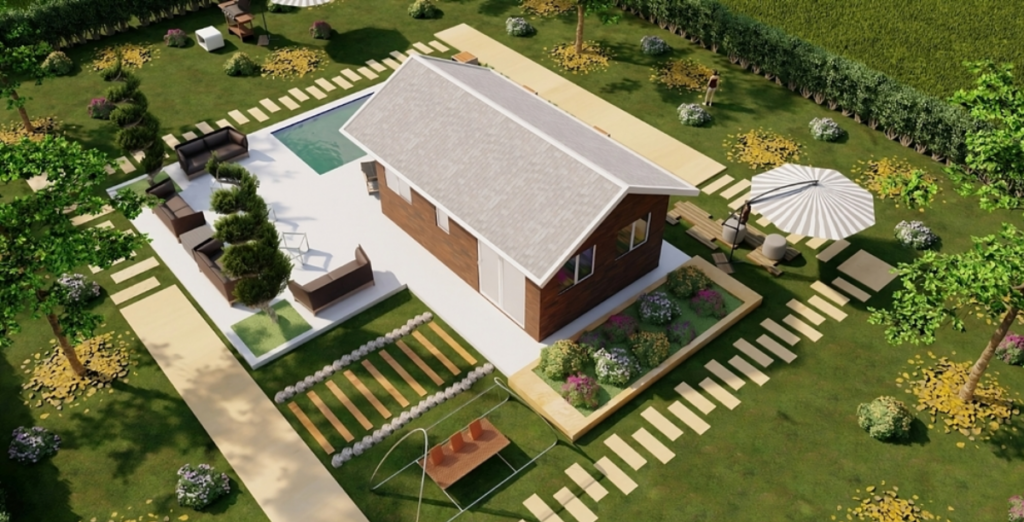
As the tiny house movement gains momentum, more homeowners are embracing the idea of living large in a small space. One critical aspect of tiny house living is the landscape design, which can greatly enhance the livability, aesthetics, and functionality of a tiny home. Here, we explore the best landscape design ideas tailored for tiny houses, focusing on maximizing space, ensuring sustainability, and creating a harmonious blend between the house and its surroundings.
Importance of Landscape Design for Tiny Houses
Tiny houses often come with the challenge of limited outdoor space. However, effective landscaping can transform these small areas into inviting extensions of the home. Here are some key benefits of investing time and effort into landscape design:
- Enhanced Curb Appeal: Attractive landscaping can significantly improve the visual appeal of a tiny house, making it more inviting and increasing its value.
- Functional Outdoor Spaces: Creative landscaping allows for the creation of outdoor living areas, such as patios or gardens, that can serve various purposes, from relaxation to entertainment.
- Environmental Benefits: Thoughtful landscaping can contribute to local biodiversity, attract wildlife, and improve air quality through the strategic planting of trees and shrubs.
Key Landscape Design Elements for Tiny Houses
The key landscape design elements for tiny houses are:
1. Vertical Gardening
When space is at a premium, vertical gardening is an excellent solution. Utilizing walls, fences, and trellises allows homeowners to grow plants upwards rather than outwards. This method not only saves ground space but also adds visual interest. Consider incorporating:
- Trellises: Perfect for climbing plants like beans or cucumbers, they can be placed against walls or fences.
- Hanging Baskets: These can add color and greenery without taking up ground space, ideal for flowers or herbs.
- Vertical Planters: These can be mounted on walls or fences, allowing for a variety of plants to thrive in a compact area.
2. Layered Landscaping
Creating a layered landscape can add depth and dimension to a tiny yard. This involves arranging plants in a staggered manner, with taller plants at the back and shorter ones in the front. This technique not only maximizes space but also creates a visually appealing arrangement. Key components include:
- Foreground Plants: Low-growing flowers or ground covers that add color and texture.
- Mid-ground Plants: Medium-height shrubs or perennials that provide structure.
- Background Plants: Taller plants or small trees that create a backdrop and offer privacy.
3. Outdoor Living Spaces
Transforming your outdoor area into a functional living space can significantly enhance your tiny house experience. Consider adding a paved stone patio or wooden deck as a great gathering spot for friends and family, using materials that complement your tiny house’s design. A fire pit can create a cozy atmosphere for evening gatherings and extend the usability of the outdoor space into cooler months. For those who love to cook, an outdoor kitchen with a grill or pizza oven can be a fantastic addition, expanding cooking space and keeping odors outside.
4. Native Plant Landscaping
Incorporating native plants into your landscape design can reduce maintenance and promote local biodiversity. Native plants are adapted to the local climate and soil conditions, requiring less water and care. They also attract local wildlife, such as birds and butterflies, enhancing the outdoor experience. Consider plants that bloom at different times throughout the year to ensure year-round interest.
5. Water Features
Adding a small water feature, such as a birdbath or a fountain, can create a tranquil atmosphere and attract wildlife. Water features can also serve as focal points in your landscape design, drawing the eye and providing a sense of calm. Ensure that the feature fits the scale of your tiny house and yard.
6. Efficient Drainage
Proper drainage is crucial, especially in areas prone to flooding. Landscaping should direct water away from the house to prevent damage. Consider:
- Grading the Land: Ensure the ground slopes away from the foundation.
- Installing Rain Gardens: These can absorb excess water and prevent flooding while adding beauty to the landscape.
- Using Permeable Pavers: These allow water to seep through, reducing runoff and promoting groundwater recharge.
7. Furniture and Decor
When selecting outdoor furniture, choose compact, multi-functional pieces that do not overwhelm the space. Benches with storage can provide seating while also offering a place to store gardening tools or cushions. Foldable tables and chairs can be easily stored when not in use, freeing up space for other activities. Incorporating decorative elements such as garden art, lighting, and pathways can also enhance the overall aesthetic of the landscape. Use lighting to create ambiance in the evenings, and consider pathways made of gravel or stepping stones to guide visitors through the garden.
Final Words
Designing the perfect landscape for a tiny house involves creativity, planning, and a focus on functionality. By maximizing space, incorporating sustainable practices, and adding personal touches, you can create an outdoor oasis that complements your tiny home and enhances your lifestyle. Whether you’re a gardening enthusiast, a lover of outdoor dining, or someone who values a cozy and inviting living space, the right landscape design can make your tiny house feel like a spacious, comfortable haven.