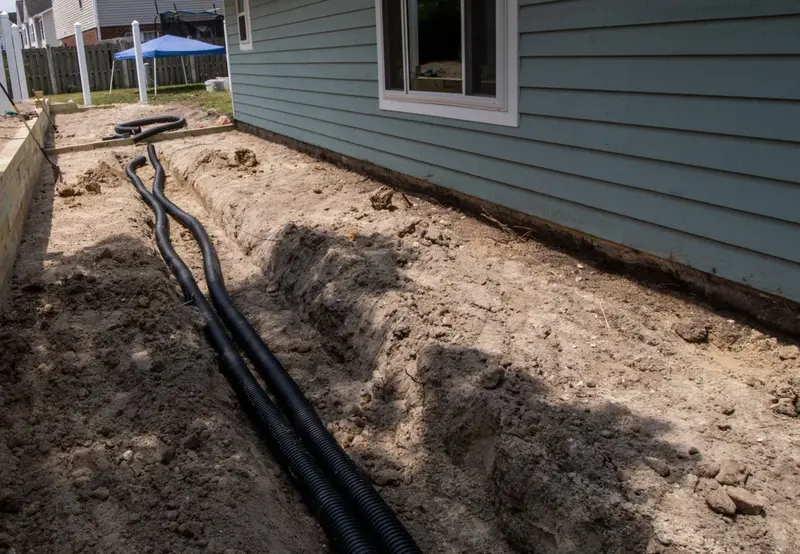
Landscape grading is one of the most effective ways to manage snowmelt and drainage, ensuring that excess water flows away from structures, walkways, and driveways instead of pooling in unwanted areas. Poor drainage can lead to serious issues such as foundation damage, soil erosion, flooding, and ice hazards in winter. By properly shaping the land, homeowners and property managers can protect their investments, improve safety, and promote healthier landscapes.
This comprehensive guide explores how landscape grading influences snowmelt and drainage, its benefits, potential issues caused by poor grading, and the best practices for achieving an effective drainage system.
What is landscape grading?
Landscape grading is the process of sculpting and leveling the land to control how water flows across a property. It involves either raising or lowering different areas of the landscape to create slopes that guide water toward appropriate drainage locations.
Grading is a crucial step in property development, whether for new construction or landscaping projects. Without proper grading, water can accumulate in unwanted areas, leading to long-term damage and increased maintenance expenses.
Types of Landscape Grading
Proper landscape grading directs water flow, prevents erosion, and protects structures. Here are the key types:
1. Positive Grading (Sloping Away from Structures)
Positive grading directs water away from buildings, preventing foundation damage and basement flooding. A slope of at least 5% ensures proper drainage, reducing erosion and standing water issues.
F2. Negative Grading (Sloping Toward Structures)
Negative grading causes water to pool near foundations, leading to leaks and structural damage. Correcting it requires regrading the soil or installing drainage solutions like French drains or swales.
3. Swale Grading (Shallow Water Channels)
Swale grading creates shallow ditches that direct water to drains or retention areas, preventing pooling and erosion. Swales work well in areas with heavy rainfall or snowmelt.
4. Terracing (Stepped Levels for Slopes)
Terracing uses leveled steps on slopes to slow runoff and prevent soil erosion. Retaining walls or vegetation help stabilize terraces, making sloped land more functional.
5. French Drains (Underground Drainage System)
French drains use perforated pipes in gravel trenches to redirect excess water, preventing flooding and water accumulation in low areas or near foundations.
6. Berm Grading (Raised Earth Mounds)
Berms are small raised mounds that redirect runoff and prevent soil erosion. Often combined with swales, they enhance drainage while serving as natural barriers.
7. Slope Grading (Shaping Land for Natural Drainage)
Slope grading adjusts land contours to promote natural water flow, preventing standing water and erosion. It is commonly used in yards, parks, and commercial properties.
How Landscape Grading Helps with Snow Melt
When snow melts, the resulting water needs a proper drainage path to prevent damage. Proper landscape grading ensures that snowmelt is efficiently directed away from buildings, driveways, and walkways.
1. Prevents Water Pooling and Ice Formation
Improper grading can cause snowmelt to pool in low areas, creating icy patches that pose slip hazards. A well-graded landscape directs water flow into appropriate drainage areas, reducing the risk of hazardous ice accumulation.
2. Reduces Soil Erosion
As snow melts, water can wash away topsoil if the landscape is not properly graded. Such removal can lead to unsightly and unstable terrain. Sloped grading and strategic drainage solutions help prevent soil loss and maintain landscaping integrity.
3. Protects Foundations and Basements
Negative grading allows snowmelt to seep into the soil near a home’s foundation, increasing the risk of basement flooding and structural damage. Positive grading ensures that water flows away from the foundation, protecting the structural integrity of buildings.
4. Enhances Water Absorption in Landscapes
Grading can be designed to direct snowmelt toward gardens, lawns, and natural water collection areas, where it can be absorbed efficiently. This process helps in maintaining soil moisture levels and supporting plant growth.
How Landscape Grading Affects Drainage
Effective grading is essential for managing overall drainage, ensuring that excess water is channeled away from critical areas.
1. Directs Water Flow to Proper Drainage Areas
A well-graded yard allows water to flow naturally toward storm drains, retention ponds, or other designated drainage areas, preventing flooding and oversaturation of soil.
2. Prevents Driveway and Walkway Damage
Without proper grading, melted snow can accumulate on driveways and walkways, leading to cracks, potholes, and slippery surfaces. Grading ensures water flows off these areas, preventing damage and improving safety.
3. Protects Landscaping Features
Grading helps prevent water from eroding flower beds, washing away mulch, or damaging decorative hardscaping elements like patios and retaining walls.
4. Minimizes Impact on Neighboring Properties
Poor drainage can lead to runoff spilling onto neighboring properties, potentially causing disputes or legal issues. Proper grading ensures that water is managed responsibly within property boundaries.
How Landscape Grading Improves Drainage
Proper grading is essential not just for handling snowmelt but for ensuring overall drainage effectiveness throughout the year. Without a well-thought-out grading plan, heavy rains can lead to localized flooding, waterlogged lawns, and structural damage.
1. Directs Water to Proper Drainage Areas
Effective grading ensures that all surface water flows naturally to designated drainage zones, such as storm drains, dry wells, or natural water bodies. This procedure prevents water from accumulating in undesirable locations, which can cause long-term property damage.
2. Prevents Driveway and Walkway Damage
Water that collects on driveways or walkways due to poor grading can lead to cracks, potholes, and surface degradation over time. By sloping these surfaces appropriately, homeowners can extend the lifespan of their paved areas and reduce maintenance expenses.
3. Protects Landscaping Features
Excess water can wash away mulch, damage plant roots, and erode garden beds. Proper grading helps preserve the integrity of landscaping elements by directing water flow around flower beds, trees, and shrubs instead of through them.
4. Minimizes Runoff to Neighboring Properties
Poorly graded land can cause water runoff to spill onto neighboring properties, potentially leading to disputes or legal issues. Strategic grading ensures that all water remains within the property boundaries and follows a planned drainage route.
Best Practices for Effective Landscape Grading
Proper landscape grading ensures efficient drainage, prevents erosion, and protects structures from water damage. Follow these best practices to maintain a functional and well-drained landscape:
1. Ensure a Proper Slope
The ground should slope away from buildings by at least 5%, which is approximately 6 inches (about 15 cm) for every 10 feet (about 3 m), to prevent water from pooling near the foundations. Driveways and walkways should have at least a 2% slope for effective runoff.
2. Use Swales and French Drains
Swales (shallow ditches) and French drains (perforated pipes in gravel trenches) help direct excess water away from problem areas, preventing pooling and flooding.
3. Maintain Permeable Surfaces
Using permeable materials like gravel, pavers, or soil instead of solid concrete allows water absorption, reducing runoff and improving drainage.
4. Install Retaining Walls for Steep Slopes
Retaining walls help control water flow, prevent soil erosion, and improve land usability on sloped properties.
5. Regularly Inspect and Adjust Grading
Over time, soil can settle, altering the slope. Regular inspections and regrading when necessary help maintain proper drainage and prevent long-term issues.
6. Direct Water to Safe Drainage Areas
Ensure that runoff flows toward storm drains, dry wells, or retention ponds to prevent oversaturation of soil and avoid flooding.
7. Avoid Negative Grading Near Structures
Make sure that land does not slope toward buildings, as this can lead to foundation damage, basement flooding, and mold growth.
Wrapping Up
Landscape grading is an essential component of effective water management, particularly when dealing with snowmelt and seasonal drainage challenges. By ensuring that the land is properly sloped, homeowners can prevent water pooling, ice hazards, erosion, and foundation damage.
Investing in proper grading techniques such as swales, French drains, and retaining walls enhances drainage efficiency and improves the longevity of driveways, walkways, and landscaping features. By following best practices, property owners can maintain a safe, functional, and aesthetically pleasing outdoor environment, regardless of the season.
Need expert grading in Anchorage, Alaska? We’re Here to Help!
At Alaska Landworks, we specialize in landscape grading that helps manage snowmelt and drainage, protecting your property from water damage, erosion, and icy hazards. Whether you’re dealing with harsh winter conditions or preparing for the thaw, our expert team is here to ensure your landscape is properly graded for optimal performance year-round.
Contact us today for a consultation, and let Alaska Landworks help you create a safe, well-drained property in Anchorage!